
Air cargo closes 2025 strong, but e-commerce signals weaken
Xeneta reports a 6% rise in December air cargo volumes, while softer cross-border e-commerce clouds the outlook.
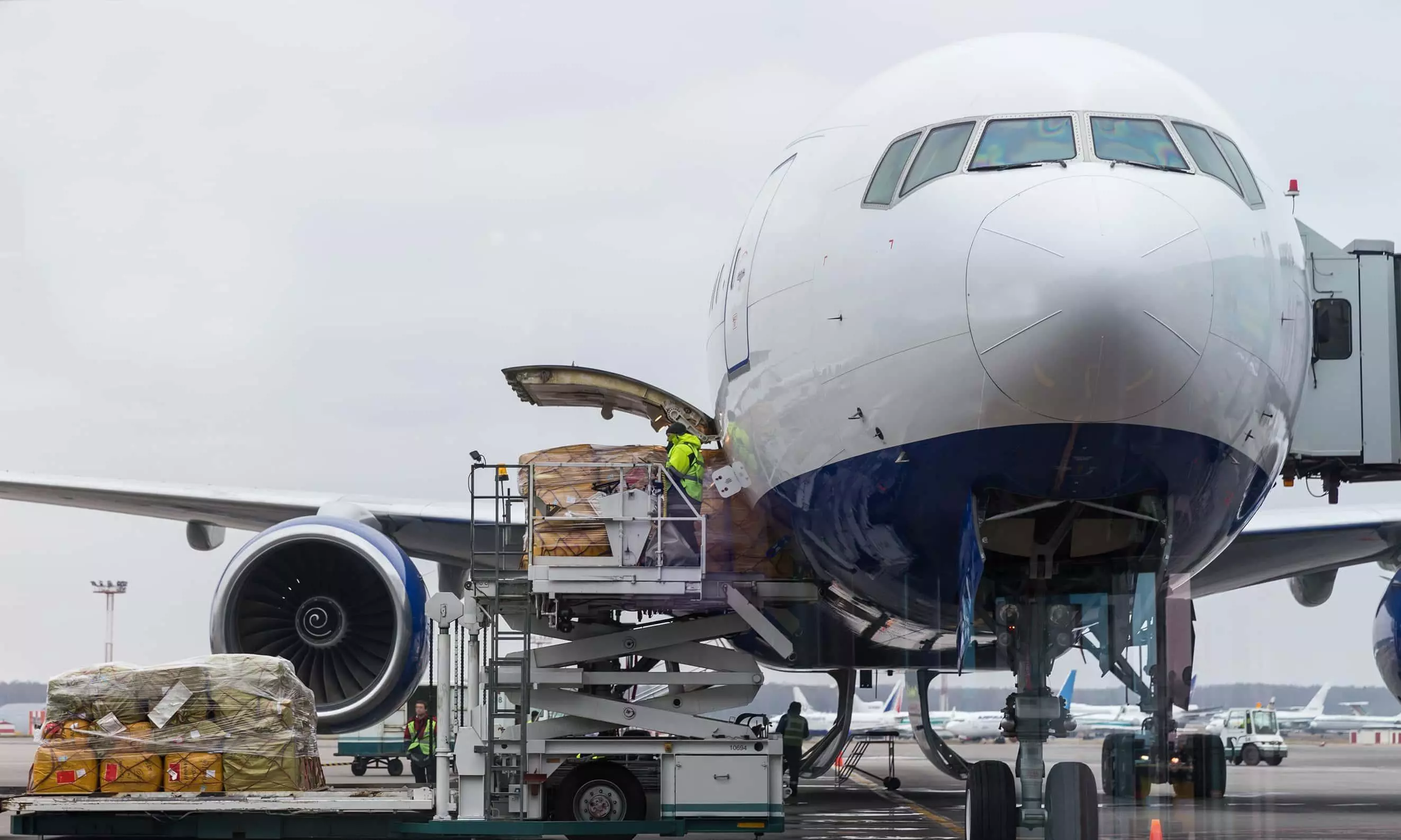
Global air cargo demand finished 2025 strongly, with volumes increasing 6% year on year in December, according to market analytics firm Xeneta. However, after a volatile year, weaker cross-border e-commerce signals, especially from China, are adding uncertainty to the outlook ahead.
Strong volumes in the final quarter helped air cargo demand grow 4% year on year in chargeable weight for the full year 2025. Xeneta said the better-than-expected performance reflected many shippers shifting cargo away from other transport modes and towards air freight, drawn by its speed and reliability during periods of disruption and wider economic uncertainty.
Niall van de Wouw, Chief Airfreight Officer at Xeneta, said the year delivered different outcomes across the market. He said service providers benefited from higher volumes than expected earlier in the year, while shippers gained from lower airfreight rates during the second half of 2025.
Xeneta had earlier forecast up to 4% growth in air cargo demand for 2025. Looking ahead, the company now expects a more cautious outlook for 2026, forecasting air cargo volumes to grow by only 2–3% this year.
Despite the late-year increase in demand, global airfreight rates remained below their 2024 levels. In December, average global airfreight rates fell 4% year on year to USD 2.83 per kg. This followed a similar trend seen in recent months, even as demand continued to grow faster than supply. In December, supply increased by 5%, but this was still outpaced by demand growth.
Xeneta said the future direction of the air cargo market will be heavily influenced by developments in e-commerce. Investment linked to artificial intelligence supported air cargo demand in 2025 by driving flows of high-value goods, and this support is expected to continue. However, forward-looking signals for cross-border e-commerce are less encouraging.
Chinese customs data showed that low-value and e-commerce exports rose by just 1% year on year in November, following flat growth in October. Exports from China to the US recorded the steepest declines, falling 52% year on year in November after a 51% drop in October. Xeneta said these were the sharpest declines on record. Before the US de minimis ban, China–US e-commerce shipments accounted for around 3% of global air cargo volumes.
China–Europe e-commerce volumes continued to grow, but at a slower pace. Volumes increased by 29% year on year in November, down from 47% growth recorded in October, pointing to easing momentum on this corridor as well.
Xeneta said policy changes are now starting to affect cross-border e-commerce from multiple directions. China has introduced new tax information reporting rules for online platforms, requiring marketplaces to share tax-relevant data on merchants. At the same time, the US and the EU are tightening rules on low-value shipments. Xeneta said these developments are likely to slow e-commerce growth in 2026, although volumes are still expected to grow faster than the overall air cargo market.
On major trade lanes, air cargo spot rates mostly declined year on year in December. The sharpest fall was recorded on the Europe–North America westbound route, where spot rates dropped by 13%. Demand on this lane declined by 2% compared with the same period last year, slightly faster than the 1% reduction in capacity. Month on month, however, spot rates on this corridor rose by 17%, reflecting reduced passenger belly capacity.
Routes linked to Southeast Asia recorded the next largest year-on-year declines. Spot rates from Southeast Asia to Europe fell by 11%, while rates to North America declined by 6%, mainly due to capacity expansion. Month-on-month increases were stronger, with rates rising by 6% to Europe and 13% to North America.
Northeast Asia routes were more stable. Spot rates from the region to Europe and North America fell by around 5% year on year, but increased by approximately 5% month on month. Mainland China stood out for its relative balance, with spot rates to Europe and North America close to December 2024 levels.
Xeneta said airlines were able to quickly reallocate freighter capacity away from weaker demand in the US and towards Europe, where demand conditions were more supportive. At the same time, month-on-month rate increases from China into both Europe and North America were sharper, pointing to growing supply and demand imbalances.
Contracting behaviour also shifted as the year came to a close. Xeneta said close to half of forwarders’ volumes were purchased on the spot market, with rates valid for up to one month. One-year contracts accounted for just 24% of new deals in the fourth quarter of 2025, down 20 percentage points from the previous quarter, as shippers avoided locking in rates during peak season.
Looking ahead, van de Wouw said the volatile nature of global trade and geopolitics means any new disruption could again support airfreight demand. However, he said current market fundamentals point downwards, with demand likely to soften in the first quarter of 2026 as shippers seek lower rates and growth slows after two years of resilience.