
Rwanda launches air cargo export initiative for fresh farm produce
Rwanda begins direct air cargo exports to West and Central Africa with a 17-tonne fruit and vegetable shipment from Kigali.
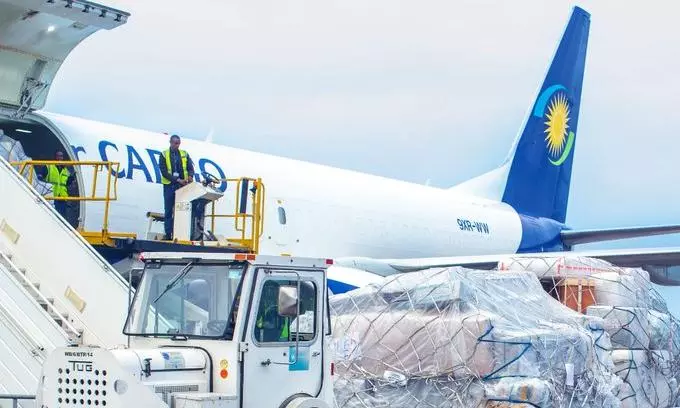
Rwanda has launched a new export initiative aimed at improving market access for its agricultural producers, with a focus on direct air cargo shipments to West and Central Africa. The programme is led by the National Agricultural Export Development Board (NAEB) and targets faster, more reliable movement of domestically produced fruits and vegetables to regional markets.
The first shipment under the initiative departed on January 21, 2026, via a direct cargo flight from Kigali, carrying 17 tonnes of fruits and vegetables grown in Rwanda. The consignment was destined for African markets, including Central Africa, marking a shift towards stopover-free air cargo exports. This operation was handled by the country’s national carrier, RwandAir, according to a media report.
Under the scheme, NAEB provides exporters with access to shared packhouse facilities for aggregation, cold storage to preserve quality, packaging services, and coordinated transport to international destinations. The model is designed to streamline export processes and reduce post-harvest losses linked to delays and limited cargo connectivity.
The initiative aligns with Rwanda’s Second National Strategy for Transformation (NST2) and Vision 2050, while supporting intra-African trade under the African Continental Free Trade Area (AfCFTA). Although Rwanda continues to serve overseas markets, the new programme places greater emphasis on strengthening regional trade flows within Africa.
NAEB Chief Executive Officer Claude Bizimana said direct air cargo exports are central to the country’s export growth strategy. "The step we have taken as NAEB to export agricultural products without stopovers is the result of strong collaboration between NAEB and various stakeholders, including Rwanda's embassies in different countries," he said.
"This export model enables international exporters to access African and other markets more easily and quickly, helping them avoid losses caused by delays. At the same time, it increases the foreign exchange earnings of our country," Bizimana added.
In addition to African destinations, Rwanda exports fruits and vegetables to the United States, Europe, Asia and Australia. The January shipment to Brazzaville was transported on a direct Kigali–Brazzaville flight without stopovers, enabled by cooperation agreements signed with the Rwandan Embassy in the Republic of Congo in 2025.
Rwanda has invested heavily in air transport infrastructure, packhouses and cold storage facilities to support agricultural trade. According to NAEB, shared processing and storage facilities help reduce barriers for small and medium-sized exporters. Bizimana said the ability to ship without stopovers was also supported by national investments in transport infrastructure. "The aircraft carrying agricultural produce, mainly fruits and vegetables, flew directly without stopping anywhere," he said.
The shipment followed a working visit by NAEB’s chief executive to the Republic of Congo in December 2025, during which discussions focused on addressing limited cargo capacity and long delivery times to Central and West African markets.
Between January 12 and 16, 2026, Rwanda exported 9,185 tonnes of agricultural and livestock products, generating more than $15 million in revenue. Over the period from 2020 to 2025, export revenues from horticulture and floriculture rose from $28.7 million to more than $86 million.
The growth in agricultural exports comes alongside a strong performance in Rwanda’s coffee sector. According to NAEB, coffee export revenues reached a record high of nearly $150 million in 2025, with export volumes increasing by 39% year-on-year and revenues rising by 65%.
Rwanda exported 23,860 tonnes of green coffee in 2025, earning more than $148.6 million, compared with 17,142 tonnes valued at $89.8 million in 2024. The average export price rose by 19% to $6.2 per kg, supported by higher global prices and increased demand.
“With regard to the 2025 growth performance, this indicates that Rwanda is on a strong trajectory to achieve the target of 32,000 tonnes of coffee exports and to generate $192 million in export revenues by the end of NST2 in 2029,” Bizimana said.
He attributed the growth to improved production, favourable climatic conditions, and expanded market access, particularly in the Middle East, Europe and North America. Initiatives such as the Best of Rwanda Coffee Competition have helped showcase the country’s coffee to international buyers.
While export volumes in 2025 were similar to those recorded in 2019, revenues reached an all-time high, making 2025 the strongest year on record for Rwanda’s coffee exports. Farmers earned an average of Rwf900 per kg of coffee cherries, exceeding the minimum farm-gate price set by NAEB.
As part of broader market expansion efforts, NAEB’s chief executive recently held discussions with Rwanda’s High Commissioner to Pakistan on strengthening access for Rwandan tea and coffee, with Pakistan remaining the top export destination for Rwandan tea.
Together, the new air cargo initiative and strong commodity export performance underline Rwanda’s focus on logistics-led trade growth, regional integration and higher-value agricultural exports.
Rwanda has launched a new export initiative aimed at improving market access for its agricultural producers, with a focus on direct air cargo shipments to West and Central Africa. The programme is led by the National Agricultural Export Development Board (NAEB) and targets faster, more reliable movement of domestically produced fruits and vegetables to regional markets.
The first shipment under the initiative departed on January 21, 2026, via a direct cargo flight from Kigali, carrying 17 tonnes of fruits and vegetables grown in Rwanda. The consignment was destined for African markets, including Central Africa, marking a shift towards stopover-free air cargo exports. This operation was handled by the country’s national carrier, RwandAir, according to a media report.
Under the scheme, NAEB provides exporters with access to shared packhouse facilities for aggregation, cold storage to preserve quality, packaging services, and coordinated transport to international destinations. The model is designed to streamline export processes and reduce post-harvest losses linked to delays and limited cargo connectivity.
The initiative aligns with Rwanda’s Second National Strategy for Transformation (NST2) and Vision 2050, while supporting intra-African trade under the African Continental Free Trade Area (AfCFTA). Although Rwanda continues to serve overseas markets, the new programme places greater emphasis on strengthening regional trade flows within Africa.
NAEB Chief Executive Officer Claude Bizimana said direct air cargo exports are central to the country’s export growth strategy. "The step we have taken as NAEB to export agricultural products without stopovers is the result of strong collaboration between NAEB and various stakeholders, including Rwanda's embassies in different countries," he said.
"This export model enables international exporters to access African and other markets more easily and quickly, helping them avoid losses caused by delays. At the same time, it increases the foreign exchange earnings of our country," Bizimana added.
In addition to African destinations, Rwanda exports fruits and vegetables to the United States, Europe, Asia and Australia. The January shipment to Brazzaville was transported on a direct Kigali–Brazzaville flight without stopovers, enabled by cooperation agreements signed with the Rwandan Embassy in the Republic of Congo in 2025.
Rwanda has invested heavily in air transport infrastructure, packhouses and cold storage facilities to support agricultural trade. According to NAEB, shared processing and storage facilities help reduce barriers for small and medium-sized exporters. Bizimana said the ability to ship without stopovers was also supported by national investments in transport infrastructure. "The aircraft carrying agricultural produce, mainly fruits and vegetables, flew directly without stopping anywhere," he said.
The shipment followed a working visit by NAEB’s chief executive to the Republic of Congo in December 2025, during which discussions focused on addressing limited cargo capacity and long delivery times to Central and West African markets.
Between January 12 and 16, 2026, Rwanda exported 9,185 tonnes of agricultural and livestock products, generating more than $15 million in revenue. Over the period from 2020 to 2025, export revenues from horticulture and floriculture rose from $28.7 million to more than $86 million.
The growth in agricultural exports comes alongside a strong performance in Rwanda’s coffee sector. According to NAEB, coffee export revenues reached a record high of nearly $150 million in 2025, with export volumes increasing by 39% year-on-year and revenues rising by 65%.
Rwanda exported 23,860 tonnes of green coffee in 2025, earning more than $148.6 million, compared with 17,142 tonnes valued at $89.8 million in 2024. The average export price rose by 19% to $6.2 per kg, supported by higher global prices and increased demand.
“With regard to the 2025 growth performance, this indicates that Rwanda is on a strong trajectory to achieve the target of 32,000 tonnes of coffee exports and to generate $192 million in export revenues by the end of NST2 in 2029,” Bizimana said.
He attributed the growth to improved production, favourable climatic conditions, and expanded market access, particularly in the Middle East, Europe and North America. Initiatives such as the Best of Rwanda Coffee Competition have helped showcase the country’s coffee to international buyers.
While export volumes in 2025 were similar to those recorded in 2019, revenues reached an all-time high, making 2025 the strongest year on record for Rwanda’s coffee exports. Farmers earned an average of Rwf900 per kg of coffee cherries, exceeding the minimum farm-gate price set by NAEB.
As part of broader market expansion efforts, NAEB’s chief executive recently held discussions with Rwanda’s High Commissioner to Pakistan on strengthening access for Rwandan tea and coffee, with Pakistan remaining the top export destination for Rwandan tea.
Together, the new air cargo initiative and strong commodity export performance underline Rwanda’s focus on logistics-led trade growth, regional integration and higher-value agricultural exports.