
Supply chain shifts reshape Africa-linked ocean and air routes
The March 2026 Asia Pacific freight report by Dimerco notes that global manufacturing activity improved at the start of 2026.
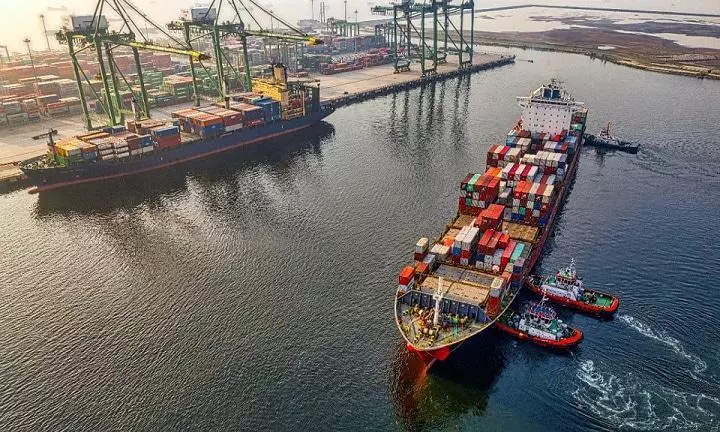
Changes in global trade flows and freight market conditions are influencing supply chains connecting Africa with Asia and other international markets across ocean, air and road transport networks.
According to the March 2026 Asia Pacific freight report by Dimerco, global manufacturing activity improved at the start of 2026, with the global manufacturing purchasing managers' index rising to 52.4. The improvement suggests an expansion in industrial production and new orders, although business sentiment remains cautious about the pace of trade recovery.
The freight outlook shows that ocean transport continues to face weak demand conditions following the Lunar New Year period in Asia. Shipping lines have attempted to control capacity through blank sailings, but rates have remained under pressure across several trade lanes.
Carrier earnings reports have revealed financial losses at several shipping lines, reflecting the weak demand environment. Even with about 125 cancelled sailings out of 710 scheduled departures, the reduction in capacity has not yet been enough to stabilise freight rates.
At the same time, developments in global shipping routes could affect cargo movements that connect Africa with Asia and Europe. Some carriers have begun cautiously returning to routes through the Suez Canal after a period of disruption.
Taed Chen, Director of Ocean Freight at Dimerco Express Group, said the shift could influence capacity dynamics in the global container market.
“The post–Lunar New Year rush is unlikely to significantly change shipping dynamics. With weak consumer sentiment and a soft demand outlook, capacity control is once again in focus. Given the recent financial pressure on carriers, the delivery of new vessels, and the gradual return of some Suez Canal transits, we expect steamship lines to step up efforts to manage capacity. However, it remains uncertain whether these measures will be sufficient to reverse the current soft rate trend.”
A wider return of container vessels to the Suez Canal route could shorten sailing times between Asia and Europe. This would accelerate the repositioning of containers and vessels, effectively adding capacity back into the global shipping system.
Industry analysts note that such changes may have ripple effects across connected regions, including Africa. As shipping networks adjust, freight rates and equipment availability on Africa-linked trade lanes could shift depending on how carriers redeploy vessels and capacity.
Meanwhile, operational disruptions in Europe are also affecting global logistics networks. Severe winter weather has disrupted both air and ocean transport operations across several European hubs, creating delays that could influence cargo flows moving between Asia, Europe and Africa.
These developments indicate that freight markets connected to Africa remain closely tied to changes in global trade routes, shipping capacity and manufacturing demand. Logistics providers are monitoring how shipping network adjustments and trade policy changes influence cargo flows across the wider global supply chain.