
DHL tests rail freight for Formula 1 logistics in North America
They transported about 50 containers covering nearly 2,000 kilometres and included 46 forty-foot high-cube containers and four 20-foot containers carrying Formula 1 race equipment.
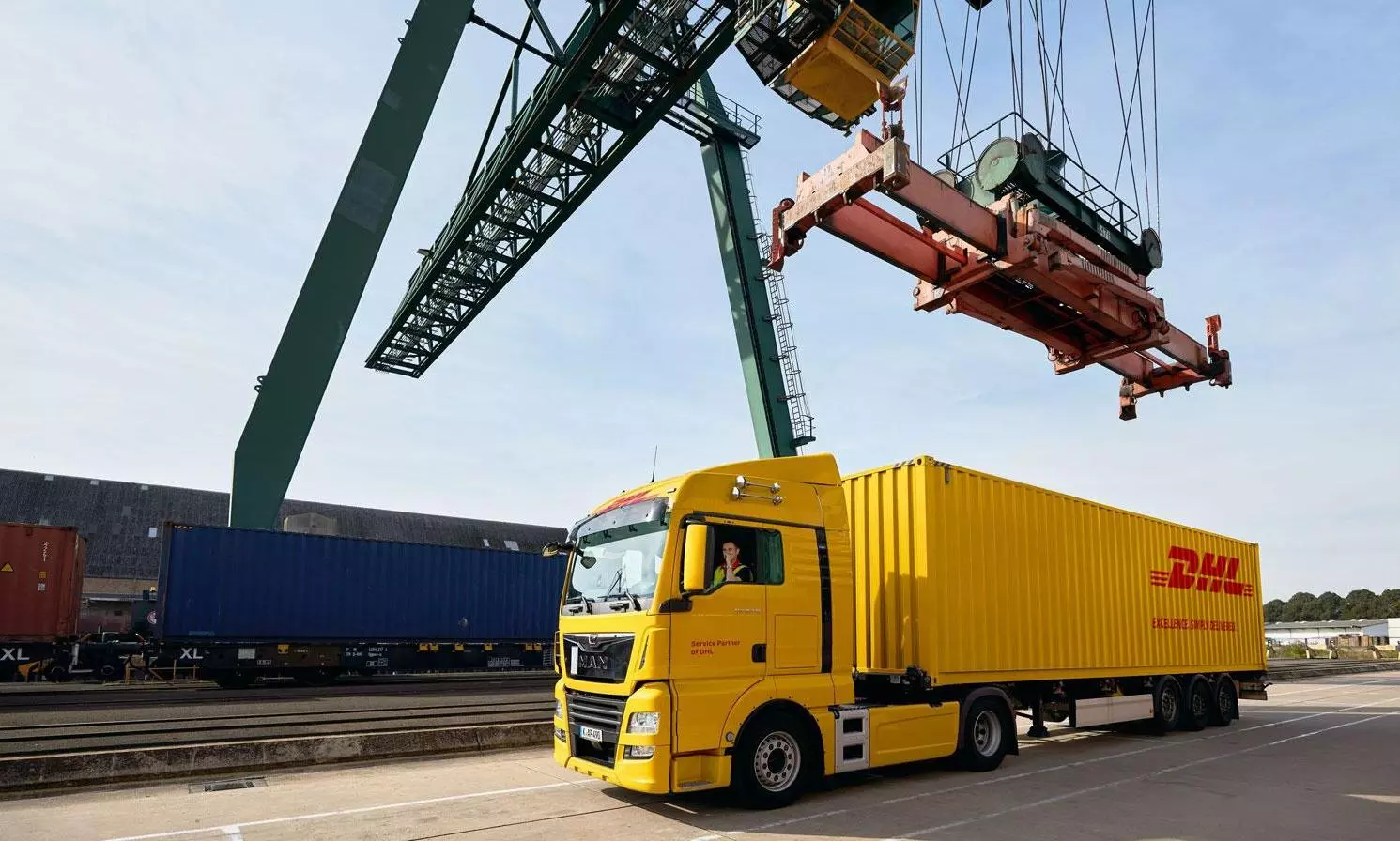
DHL Group has completed its first use of rail freight in Formula 1 logistics during the 2026 season, moving race equipment from Miami, Florida, to Montreal, Canada, as part of a pilot programme aimed at reducing dependence on road and air transport.
The company transported about 50 containers covering nearly 2,000 kilometres between the two race locations. The shipment included 46 forty-foot high-cube containers and four 20-foot containers carrying Formula 1 race equipment. DHL said around 68 percent of the freight it would normally move by road on this route was instead shifted to rail.
The pilot forms part of the logistics operations managed under DHL’s role as the Official Logistics Partner of Formula One. The company said the operation was completed within Formula 1’s race-to-race schedule requirements while supporting efforts to reduce greenhouse gas emissions linked to freight transport.
“Introducing rail into our race-to-race logistics mix shows how established transport modes can be applied in new ways to support sustainability in a highly time-critical environment,” said Paul Fowler, Head of Global Motorsports Logistics at DHL Global Forwarding. “The successful delivery of all freight in this pilot demonstrates that rail can reliably support Formula 1's demanding schedule while contributing to lower emissions. This reflects how DHL and Formula 1 continue to evolve logistics solutions to reduce the championship's environmental footprint while laying the groundwork to scale new approaches.”
DHL said all containers used in the shipment were fitted with tracking devices and shock sensors to monitor handling, transit times and cargo integrity during the journey. The company added that the operational data collected during the pilot is being analysed to evaluate performance, cargo safety and sustainability outcomes as part of future planning for lower-emission logistics operations in Formula 1.
The rail movement adds to a wider multimodal logistics strategy already deployed across the Formula 1 calendar. DHL said this includes the use of Sustainable Aviation Fuel through book-and-claim mechanisms for selected air freight operations, which can reduce lifecycle greenhouse gas emissions by up to 80% compared with conventional jet fuel.
The company also said it currently deploys more than 50 biofuel-powered trucks across European Formula 1 road transport operations, achieving an average reduction of 83% in greenhouse gas emissions compared with diesel-powered vehicles. DHL added that Formula 1’s increased regionalisation of races has also enabled route optimisation and shorter transport distances during the season.
DHL and Formula 1 said the Miami-to-Montreal pilot will serve as a basis for evaluating a wider use of rail freight in North America from the 2027 season onwards. The expansion plans will depend on the race calendar structure, operational feasibility and the performance results of the 2026 trial.