
Ethiopia, Nigeria bet on rail-moved LNG to reshape Africa’s energy map
A new gas-by-rail push aims to widen clean cooking access, curb deforestation, and unlock cross-border trade.
Source: gbc1.net
Ethiopia and Nigeria have thrown their weight behind an unconventional idea to tackle one of Africa’s most stubborn challenges: how to deliver cleaner energy at scale to communities far from pipelines and ports. Their answer is a continent-spanning rail system designed to move liquefied natural gas (LNG) across borders, turning existing and future railways into what backers describe as a “virtual pipeline”.
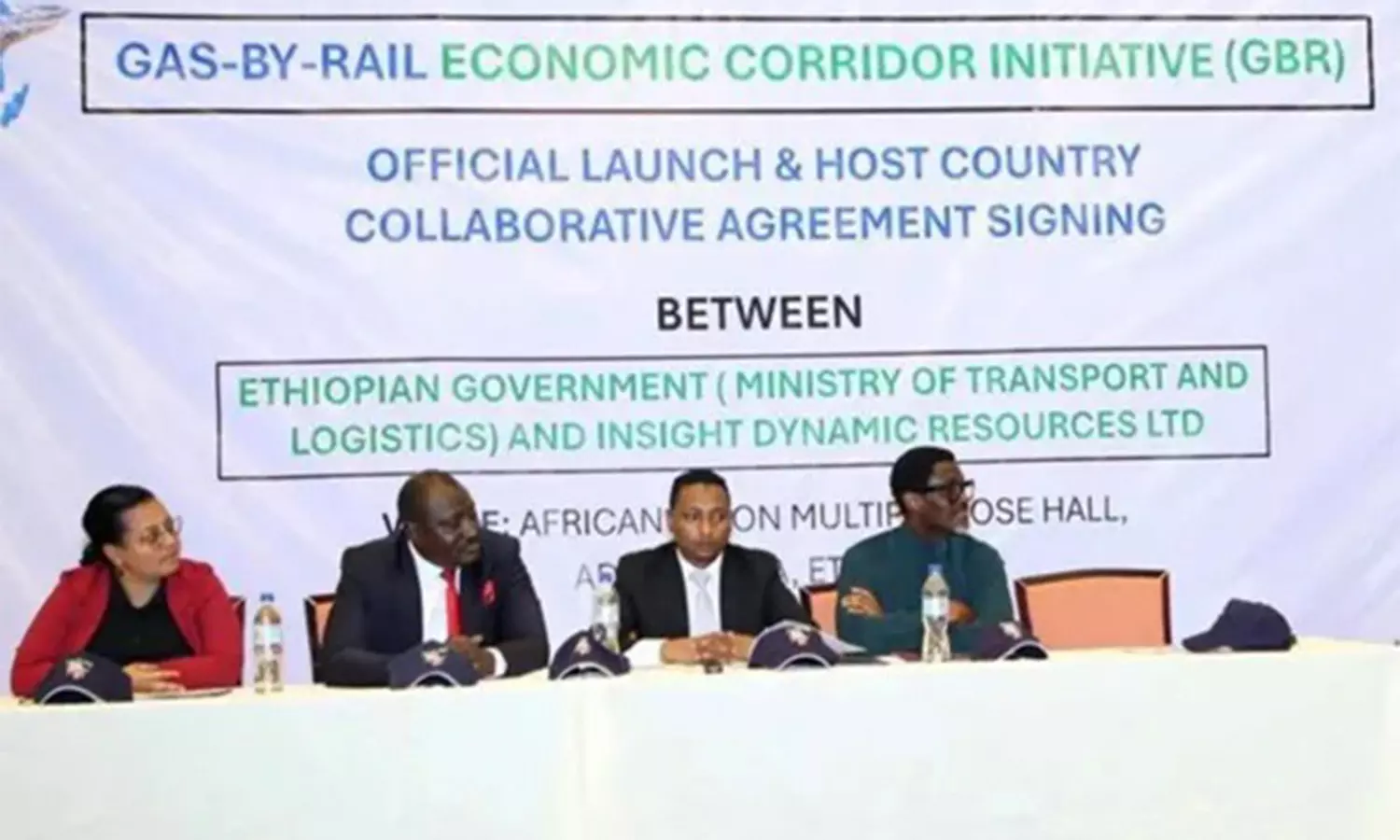
Unveiled in Addis Ababa, the Gas-by-Rail Economic Corridor Initiative sets out a long-term vision for transporting LNG by freight trains across dozens of African countries. The model is intended to bypass the geopolitical, security and capital hurdles that often delay or derail transnational pipeline projects, while using rail as a flexible alternative that can be rolled out in phases.
At its core, the project targets household energy use. Across much of Sub-Saharan Africa, cooking still depends heavily on firewood and charcoal, a reliance that accelerates deforestation and exposes millions to indoor air pollution. By expanding access to LNG for cooking and small-scale power generation, the initiative’s promoters argue that pressure on forests could ease significantly, while improving public health outcomes.
The corridor is also framed as an economic catalyst. Reliable energy supply and improved rail connectivity are expected to support manufacturing, agro-processing and mining, particularly in landlocked regions that struggle with high logistics costs. Ethiopia is positioned as a key hub, with plans to link the gas-by-rail concept to industrial clusters focused on low-carbon materials and future-facing industries such as green steel and hydrogen.
Supporters estimate the network could eventually extend over tens of thousands of kilometres, connecting gas-producing regions with demand centres across West, East and Central Africa. The projected investment runs into hundreds of billions of dollars, placing the initiative among the most ambitious infrastructure concepts ever proposed on the continent.
While timelines and financing structures are still taking shape, the Ethiopia–Nigeria partnership signals growing interest in hybrid solutions that blend energy policy with logistics innovation. If it moves from vision to execution, gas by rail could become a defining experiment in how Africa approaches energy access, climate pressures and regional integration at the same time.