
Africa outlines 10-year plan to boost access to essential medicines
The proposed roadmap seeks to expand local manufacturing, pooled procurement, and coordinated regional supply chains.
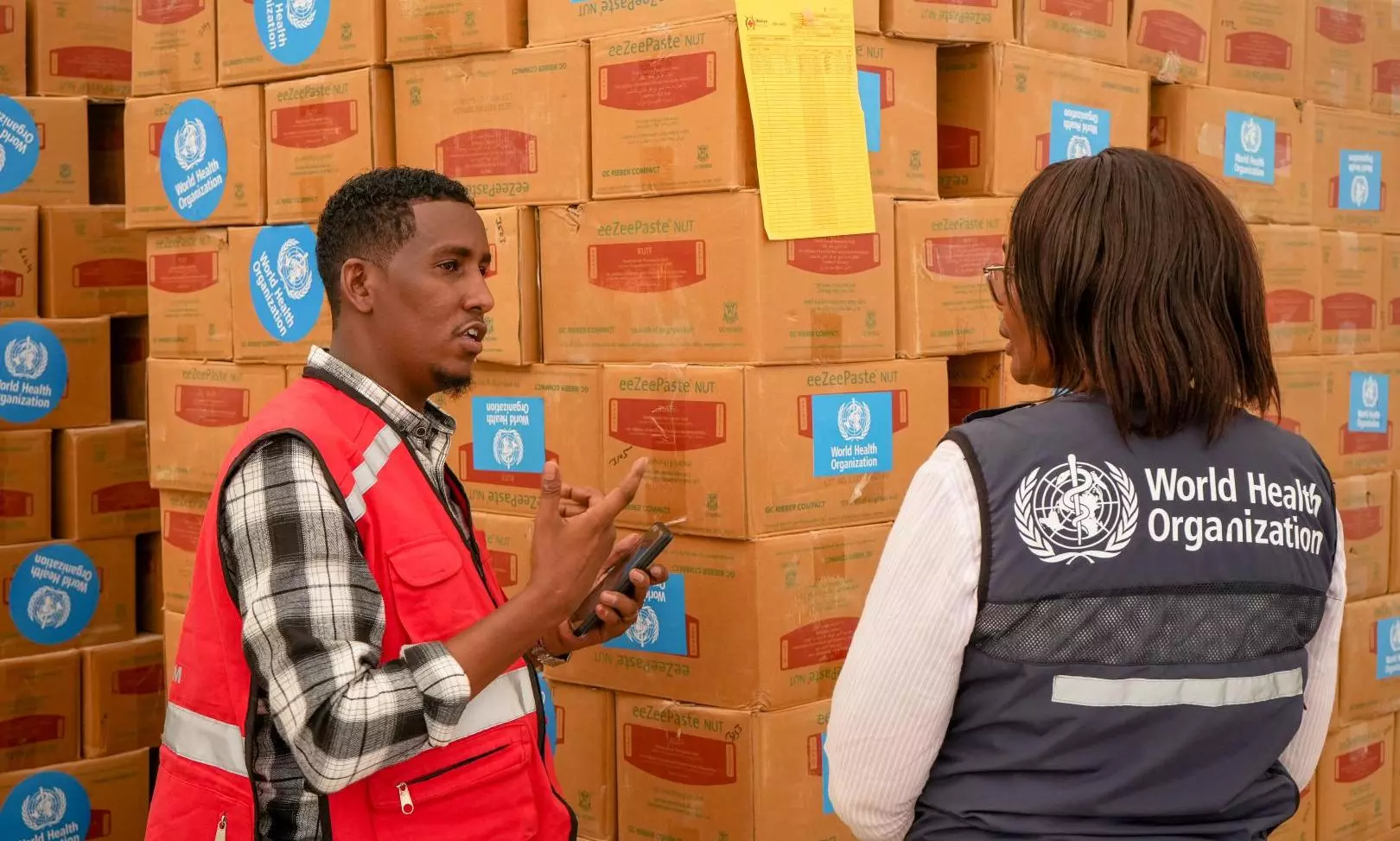
African leaders and international partners have agreed on a 10-year regional plan to reshape how essential health products are financed, manufactured, and supplied across the continent. The vision emerged from the Blue-Sky Visioning and Think Tank Workshop held in Johannesburg from 25 to 27 November.
Participants developed the foundations of a regional strategy on market shaping and supply chain for essential health products for 2025 to 2035. The strategy sets out 14 pillars aimed at addressing fragmented systems and strengthening supply chains that are vulnerable to global disruptions.
Current access to essential medicines remains limited. Only 35 per cent of essential drugs are available in public facilities, and out-of-pocket payments can reach up to 90 per cent of total health spending in some countries. In countries such as Malawi, where external aid accounts for up to 65 per cent of health expenditure, the system remains exposed to fluctuations in donor funding. A recent WHO assessment reported that 56 per cent of African countries face shortages of essential items, including vaccines and medicines for tuberculosis and neglected tropical diseases.
The proposed roadmap seeks to expand local manufacturing, pooled procurement, and coordinated regional supply chains. It highlights the need for regional procurement platforms and strategic warehousing to reduce dependence on emergency imports, which were strained during the COVID-19 pandemic when 38 countries issued urgent requests for supplies.
The plan aligns with the mandate of the African Medicines Agency and leverages the African Continental Free Trade Area to ease tariff barriers on locally produced health products. It also encourages domestic financing tools, including debt-for-health swaps and health impact investment platforms.
“This meeting is about reimagining what is possible when African countries take the lead in designing resilient and self-reliant systems to deliver essential health products. We are building a future where no community is left behind due to stock-outs, inefficiencies, or unaffordable prices,” said Dr Adelheid Werimo Onyango, Director for Health Systems and Services at the WHO Regional Office for Africa.
The workshop used a creative approach to examine long-standing bottlenecks. Discussions focused on governance, financing, digital tools, local production, waste management, and emergency preparedness. The strategy aligns with regional and global frameworks, including the African Union’s Pharmaceutical Manufacturing Plan, the WHO Access to Medicines Roadmap, and Sustainable Development Goal 3.8.
“The European Union is committed to advancing equitable access to essential health products across Africa. By supporting this regional strategy, we are investing in resilient health systems, stronger supply chains, and sustainable solutions that safeguard health for all,” said Bianca Baluta, Health Policy Expert at the European Union.
Once finalised, the strategy will act as a shared blueprint to reinforce market systems, expand access to affordable health products, and strengthen health security across the region over the next decade.