
AGL Energies Namibia and Kelp Blue partner for the blue economy
AGL Energies Namibia and Kelp Blue have signed a strategic framework to optimise coastal logistics, advance ocean-based innovation, and boost local employment.
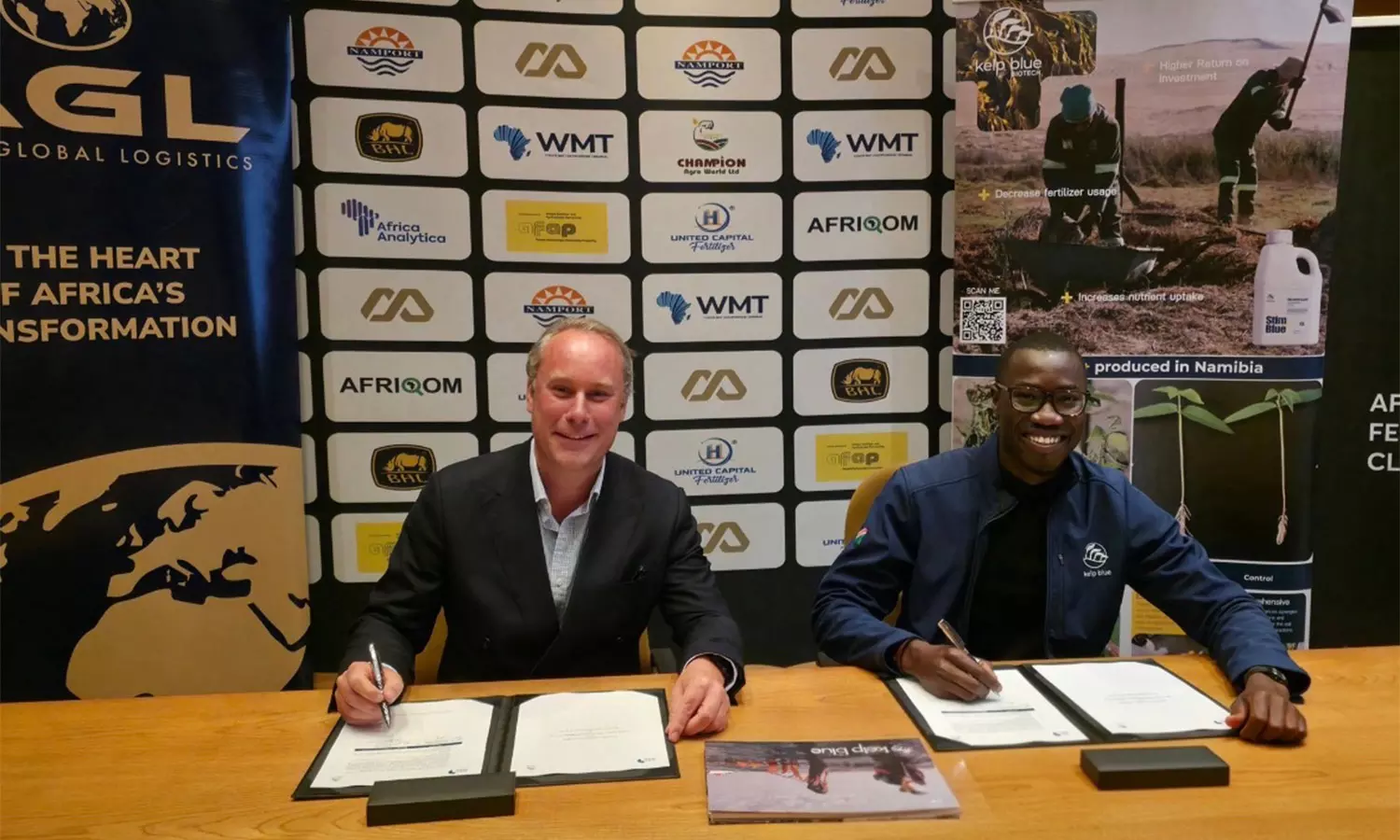
In a major step forward for the continent’s maritime and logistics sectors, AGL Energies Namibia and Kelp Blue have officially signed a strategic cooperation framework. This partnership is designed to significantly advance Namibia’s blue economy by developing integrated, highly sustainable logistics and robust value chains along the coastline. By combining their distinct and complementary corporate strengths, the two organisations plan to unlock new economic and environmental opportunities for the region while establishing future-ready industrial networks.
The core of the agreement focuses directly on optimising logistics and supply chain networks to ensure that sustainable, ocean-based products can effectively reach both regional and international markets. This includes establishing streamlined product distribution channels that minimise carbon footprints while maximising shipping efficiency. Beyond traditional transport, the collaboration will heavily prioritise joint research and development initiatives. These targeted R&D efforts will focus on decarbonisation strategies and pioneering ocean-based innovations, perfectly aligning with global climate targets and the modern push for green shipping corridors.
Operationally, the partnership will anchor its primary initiatives in Lüderitz and other vital coastal regions of Namibia. A massive component of this framework is its deep commitment to driving local socio-economic growth. The companies aim to foster inclusive economic development by creating direct employment opportunities and investing heavily in local skills training programmes. By training community members in specialised maritime and sustainable logistics roles, the initiative ensures that the economic benefits of this trade route remain deeply rooted within the local African workforce.
Furthermore, the collaboration places heavy emphasis on strict Environmental, Social, and Governance (ESG) criteria. Beyond day-to-day industrial operations, both entities are actively looking to explore joint commercial and investment opportunities that support long-term climate initiatives. Ultimately, this framework elevates the profile of Namibia on the global trade stage, positioning the country as a leading African hub for low-carbon logistics and sustainable ocean innovation, effectively bridging the gap between local eco-conscious production and international buyers.