
Ethiopia, Djibouti agree roadmap for Galafi One-Stop Border Post
EU-backed programme will support joint capacity building, harmonised border procedures and integrated clearance to improve trade along the key corridor.
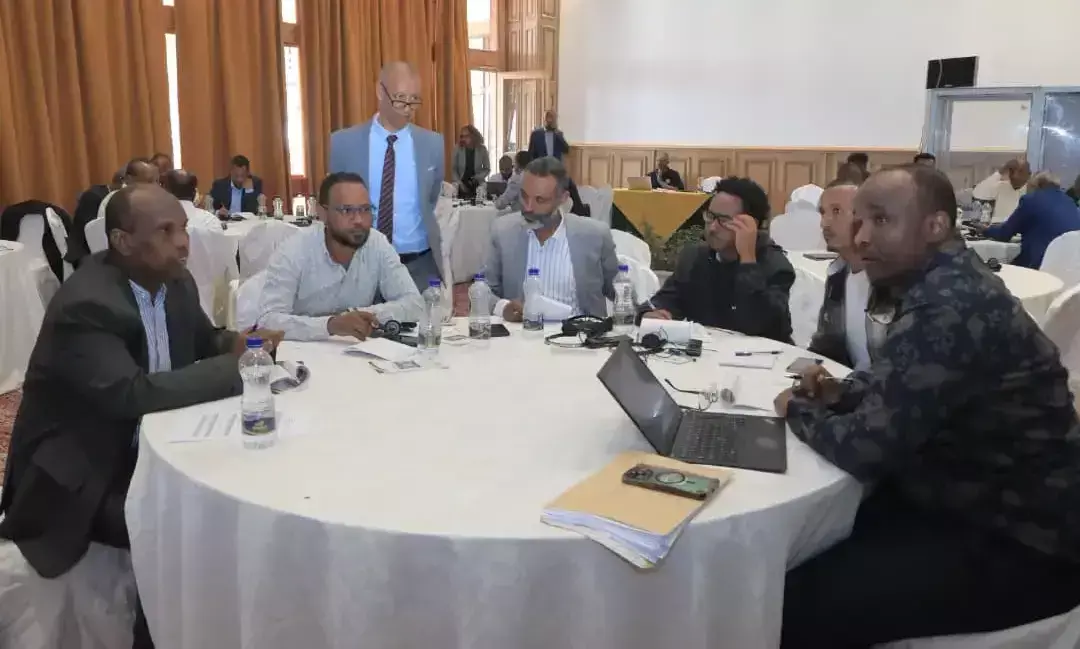
Ethiopia and Djibouti have agreed on a joint roadmap to operationalise the Galafi One-Stop Border Post (OSBP), advancing border management reforms along the Ethiopia-Djibouti Corridor, which handles more than 95% of Ethiopia’s import and export trade by volume.
The agreement marks a key implementation milestone under the programme Promoting Regional Economic Integration in the Horn of Africa through the Development of the Djibouti Corridor. The programme is financed by the European Union (EU) through the Agence Française de Développement (AFD) and implemented by TradeMark Africa (TMA) in partnership with the governments of Ethiopia and Djibouti.
The roadmap was developed during the first bilateral two-day technical workshop held in Bishoftu, Ethiopia. The workshop brought together government agencies, border management institutions and development partners to establish a shared framework for the legal, institutional and operational actions needed to operationalise the Galafi OSBP.
Located along Djibouti’s National Road 1 (RN1), which connects with Ethiopia’s A1 highway, the Galafi border post is a key part of the Ethiopia-Djibouti Corridor. The route links the Port of Djibouti with Ethiopia and serves as the country’s main international trade gateway.
Once operational, the OSBP will allow customs, immigration and other border agencies from both countries to carry out a single clearance process. This is expected to reduce duplication of procedures, shorten clearance times and improve the predictability of cargo movement. The reforms are also expected to strengthen regional connectivity, improve the corridor’s competitiveness and create greater access to regional and international markets.
The Djibouti-Ethiopia Corridor is a major trade route under the EU’s Global Gateway Strategy and Team Europe initiative for the Horn of Africa. The programme supports corridor development through investments in governance, integrated border management, digital trade systems, including electronic phytosanitary certification (e-Phyto), and trade facilitation reforms aimed at improving the efficiency, predictability and competitiveness of cross-border trade.
Ewnetu Taye Chufa, Country Director for Ethiopia at TradeMark Africa, said the roadmap marks an important shift from policy commitment to implementation.
“The continued support of the European Union through AFD has been instrumental in advancing these reforms. Together with the Governments of Ethiopia and Djibouti, we have established a practical roadmap to operationalise the Galafi One-Stop Border Post and strengthen the systems that enable faster border clearance, lower trade costs and more efficient movement of goods along the corridor. The focus now is on implementation. TradeMark Africa will continue working with both governments to translate these commitments into measurable improvements in border efficiency, trade facilitation and corridor performance,” he said.
Implementation will be supported through a joint Ethiopia-Djibouti capacity-building initiative to harmonise border procedures, strengthen inter-agency coordination and equip frontline border officials with the skills, systems and institutional capacity needed to operate the OSBP effectively.
The workshop also drew on Ethiopia’s experience at the Moyale One-Stop Border Post on the Kenya border, where coordinated border controls have improved operational cooperation and border efficiency. According to the Overseas Development Institute (2023), One-Stop Border Posts across East Africa have reduced border crossing times by between 62% and 87%.