
From Durban to Kasumbalesa: The route shaping regional trade
TradeMark Africa analysis highlights border delays, customs inefficiencies and logistics bottlenecks as major barriers to AfCFTA-driven growth.
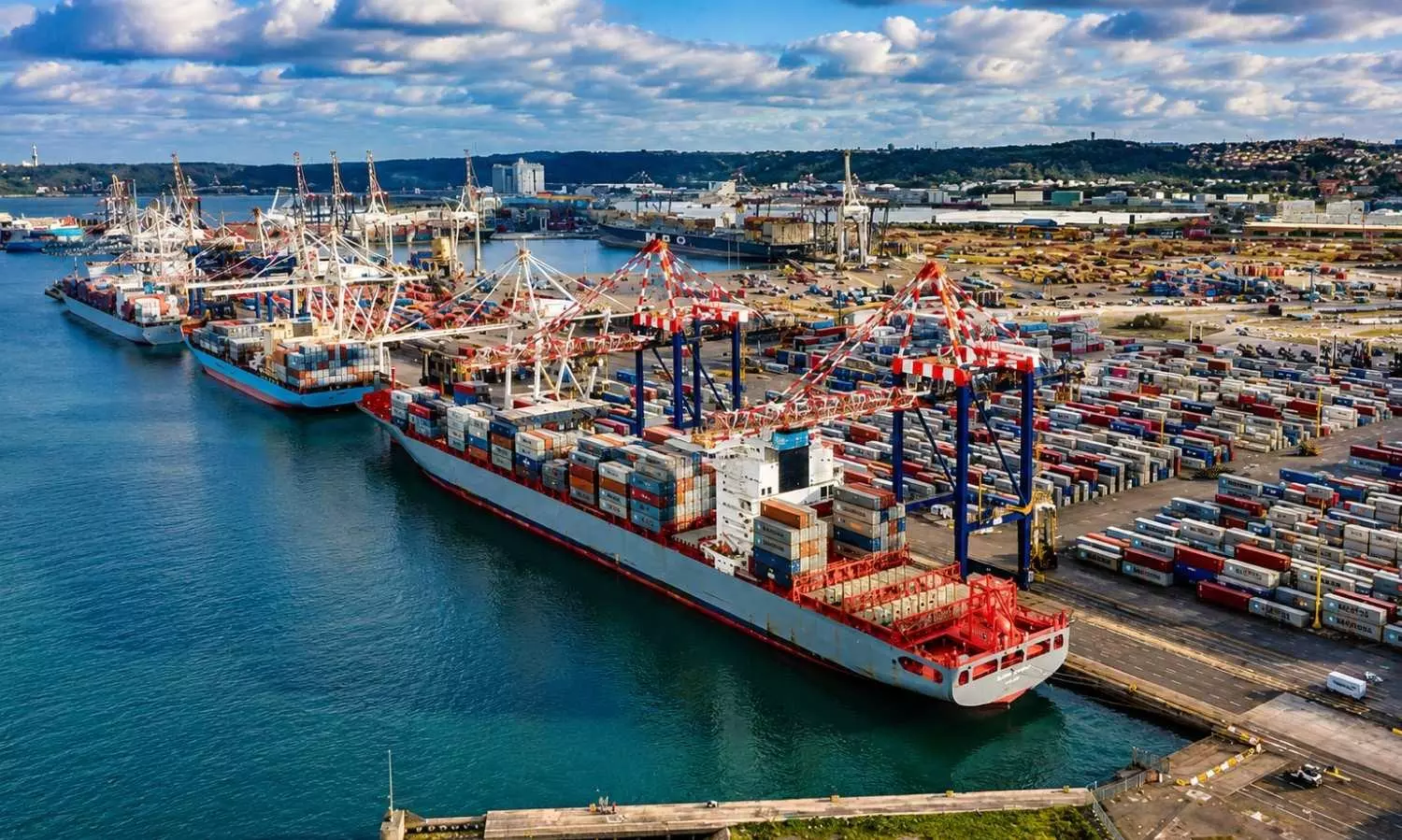
Southern Africa's trade potential is not being held back by a lack of markets or trade agreements. Instead, the region's ability to move goods efficiently across borders is emerging as one of the biggest determinants of whether it can unlock greater intra-African trade.
That is the central message from a recent analysis published by TradeMark Africa, which uses trade and logistics data to identify where governments, border agencies and logistics stakeholders need to focus their efforts to improve regional trade performance. The analysis points to key transport corridors, particularly the route linking Durban in South Africa to Kasumbalesa on the border of Zambia and the Democratic Republic of the Congo (DRC), as critical to the region's economic future.
The findings come as African countries continue to pursue deeper regional integration through initiatives such as the African Continental Free Trade Area (AfCFTA). While trade agreements can create opportunities for commerce, TradeMark Africa argues that the real test lies in how efficiently goods move through ports, roads, border crossings and customs systems.
The analysis highlights the North-South Corridor as one of the most important trade routes in the region. Beginning at the Port of Durban and extending through Zimbabwe and Zambia to the DRC, the corridor connects some of Southern Africa's largest production centres, consumer markets and mining regions. It is a route that carries significant volumes of cargo and serves as a vital link for regional supply chains.
However, trade data suggests that the corridor continues to face challenges that increase costs and reduce efficiency. According to TradeMark Africa, logistics bottlenecks and delays along key trade routes continue to affect the movement of goods and limit the region's ability to fully benefit from its trade potential.
The importance of these corridors extends beyond individual countries. As regional value chains become increasingly important, the ability to move goods quickly and predictably across multiple borders is becoming a competitive advantage. Delays at one point in the supply chain can have consequences across entire trade networks.
TradeMark Africa's analysis reflects a broader shift in how trade competitiveness is being viewed globally. Increasingly, attention is moving beyond tariffs and market access towards operational efficiency. The ability to clear goods quickly, process customs documentation efficiently and reduce border delays is becoming just as important as trade policy itself.
This trend can be seen in other regions as well. Recent discussions around changes to customs procedures in Europe, particularly those affecting cross-border e-commerce shipments, have highlighted how border management and customs systems can reshape supply chains. In Southern Africa, the challenge is similar. The question is not only whether goods can be traded, but how efficiently they can move from origin to destination.
TradeMark Africa's findings suggest that some of the region's biggest opportunities lie in addressing long-standing operational bottlenecks. Border posts remain a key area of focus. Even where infrastructure investments have been made, challenges related to customs procedures, coordination among border agencies and cargo processing continue to affect transit times.
The importance of these issues has also been recognised by regional institutions. A Time Release Study conducted along the North-South Corridor identified bottlenecks at major crossing points, including Beitbridge and Chirundu, and found that cargo moving northbound from Durban to Kasumbalesa faced an average clearance and transit time of more than 15 days. The study pointed to cumbersome procedures, uncoordinated operations and infrastructure constraints as factors affecting the movement of goods. ([SADC][1])
For businesses, these delays translate directly into higher logistics costs, reduced reliability and longer delivery times. For countries seeking to expand intra-African trade, they represent lost opportunities to improve competitiveness and strengthen regional supply chains.
The TradeMark Africa analysis also underscores the strategic importance of Kasumbalesa. As a gateway to the mineral-rich regions of the DRC, the border crossing plays a vital role in connecting Southern Africa's transport network with global supply chains linked to copper, cobalt and other critical minerals. Improvements in efficiency at such crossings could therefore have benefits extending far beyond the immediate region.
Another key takeaway from the analysis is the growing role of data in trade facilitation. Better visibility into cargo movements, border performance and transit times allows governments and industry stakeholders to identify precisely where delays occur and where investments can have the greatest impact.
This data-driven approach is becoming increasingly important as Africa seeks to improve regional connectivity. Rather than relying solely on large-scale infrastructure projects, policymakers are paying greater attention to the operational factors that influence trade performance, including customs processes, information sharing and coordinated border management.
TradeMark Africa argues that improving these areas could help unlock significant economic benefits. Southern Africa already possesses many of the building blocks required for stronger regional trade, including major ports, transport networks, manufacturing centres and resource-rich economies. The challenge is ensuring that these assets are connected through efficient logistics systems.
The analysis ultimately presents a practical view of regional integration. While trade agreements remain important, the success of initiatives such as AfCFTA will depend heavily on what happens at ports, border crossings and along transport corridors. Efficient trade routes can help reduce costs, support businesses and create stronger links between African markets.
From Durban to Kasumbalesa, the data points to a clear conclusion. Southern Africa's trade future will be shaped not only by the agreements it signs, but by how effectively it removes the bottlenecks that continue to slow the movement of goods across the region.