
Homegrown sorghum replaces imports for Burundi brewery
Burundi's largest brewery cuts reliance on long European supply chains by sourcing white sorghum, barley, and maize directly from local smallholder farmers.
Source: trademarkafrica.com
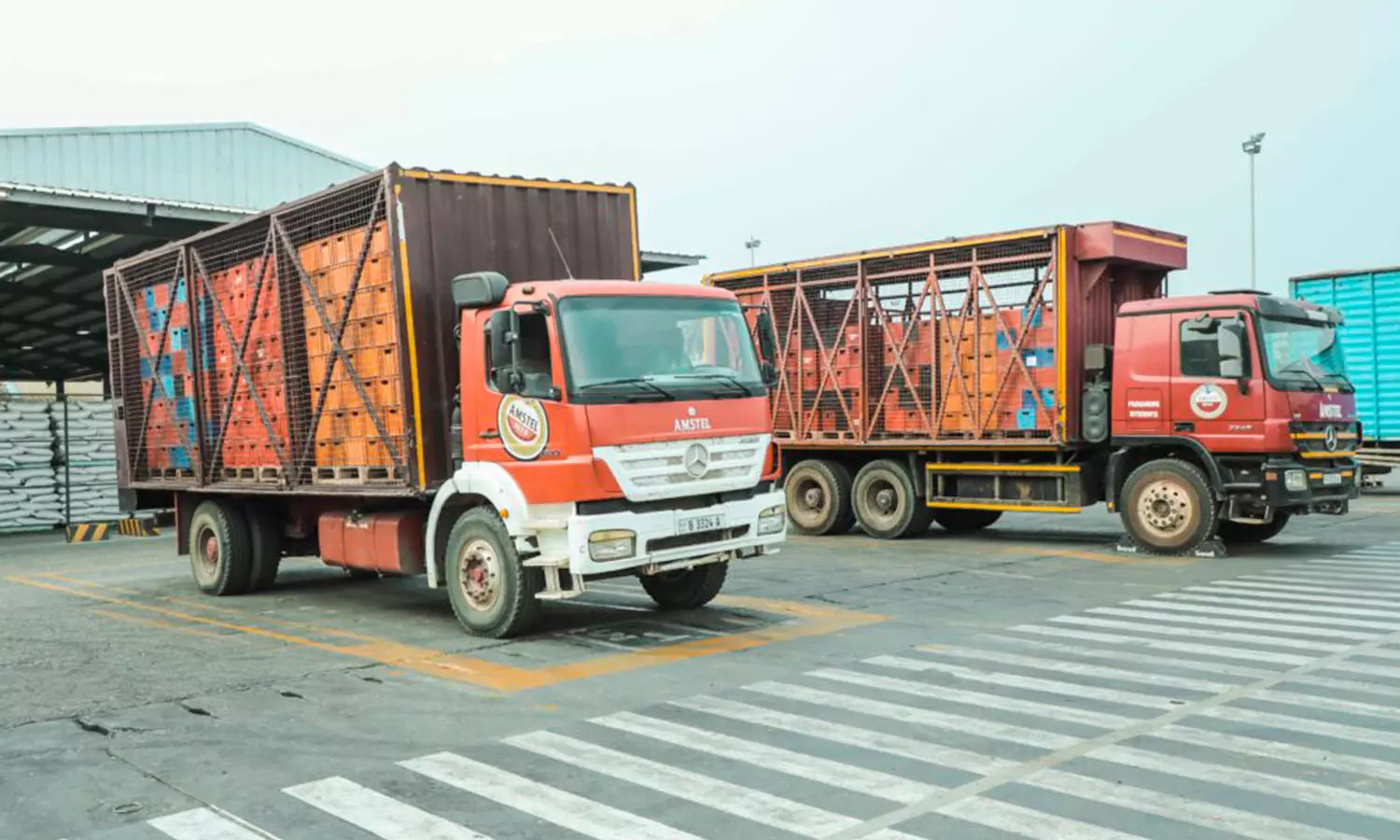
For decades, heavy trucks, freight ships, and extensive warehouses formed the invisible supply chain behind Burundi's most prolific brewery – Brarudi, a subsidiary of international drinks giant Heineken. White sorghum, barley, and other vital agricultural inputs journeyed thousands of kilometres from Europe before reaching production lines to churn out flagship beers and beverages. This long-distance sourcing approach worked reliably for years – until global disruptions exposed its fragile foundation.
When the COVID-19 pandemic severely disrupted global logistics networks and escalating geopolitical tensions rattled international trade routes, the inherent vulnerabilities of a four-month international supply chain became impossible to ignore for Brarudi. Shipping delays multiplied, freight costs rose sharply, and widespread supply uncertainty threatened to become an everyday part of doing business. Yet, scattered across Burundi's rolling hillsides, was a practical local alternative waiting to be properly organised.
Today, smallholder farmers across the country are supplying agricultural grains directly into one of Burundi's largest industrial value chains. Through an innovative partnership between Auxfin Burundi, facilitated by TradeMark Africa with strategic funding from the Netherlands, Brarudi and local farmer cooperatives have joined forces. Under this initiative, local agricultural producers deliver white sorghum, maize, and barley to established collection centres where crop quality is rigorously checked before moving onward to the brewery's processing facility.
The initial numbers illustrate the substantial scale of this economic transition. In 2025 alone, Brarudi purchased more than 101,000 kilograms of white sorghum worth over 213 million BIF and more than 65,000 kilograms of barley worth over 235 million BIF directly from local agricultural producers. But the real structural transformation begins long before the raw grain ever reaches the brewing tanks.
Crucially, product quality was never compromised during this shift to domestic sourcing. Brarudi applies the exact same rigorous, multistage quality controls to locally sourced cereals as it traditionally did to imported commodities. At designated collection points, trained managers carefully inspect moisture levels and test for potential aflatoxin contamination. Farmers who once struggled to access reliable commercial markets now actively participate in an industrial supply chain governed by strict, professional standards. Every accepted harvest represents vital financial income retained by rural households and economic value kept within Burundi's national economy.
Highlighting the strict standards maintained throughout this transition, Sacha Rwamigabo, Head of the Local Sourcing Program at Brarudi, noted the initiative's broader impact. “No decision is taken that could negatively affect the quality of Brarudi's products for consumers. This programme created direct employment within Brarudi and supported the deployment of agronomists and field staff through partner organisations,” he said.
For Brarudi, this strategic transition is about much more than simply sourcing raw materials locally. Every tonne of grain purchased from Burundian farmers directly replaces an imported tonne. Valuable foreign exchange reserves that once left the country remain in domestic circulation. Local agricultural production is transformed into an integral part of an industrial ecosystem rather than operating on its outer margins.
Behind this practical transformation stands Auxfin Burundi, acting as an essential bridge between thousands of smallholder farmers and a corporate buyer with exacting quality standards. Farmers receive practical training in sorting, threshing, drying, and storage techniques, helping them increase the proportion of their harvest that meets strict commercial requirements.
The resulting setup delivers a resilient supply chain that benefits both sides. Smallholders gain steady access to a high-volume market, while Brarudi secures a more reliable supply of essential raw materials. Furthermore, sustainable jobs are created throughout the value chain, from field agronomists to collection staff. With Brarudi aiming to source between 20,000 and 30,000 tonnes annually from local producers in the coming years, Burundi is proving that domestic fields can power an inclusive industrial future.