
Jumia pioneers green logistics across Uganda and Côte d’Ivoire
Jumia scales its sustainable footprint by deploying electric vehicle fleets in Uganda and powering major warehouses with solar energy
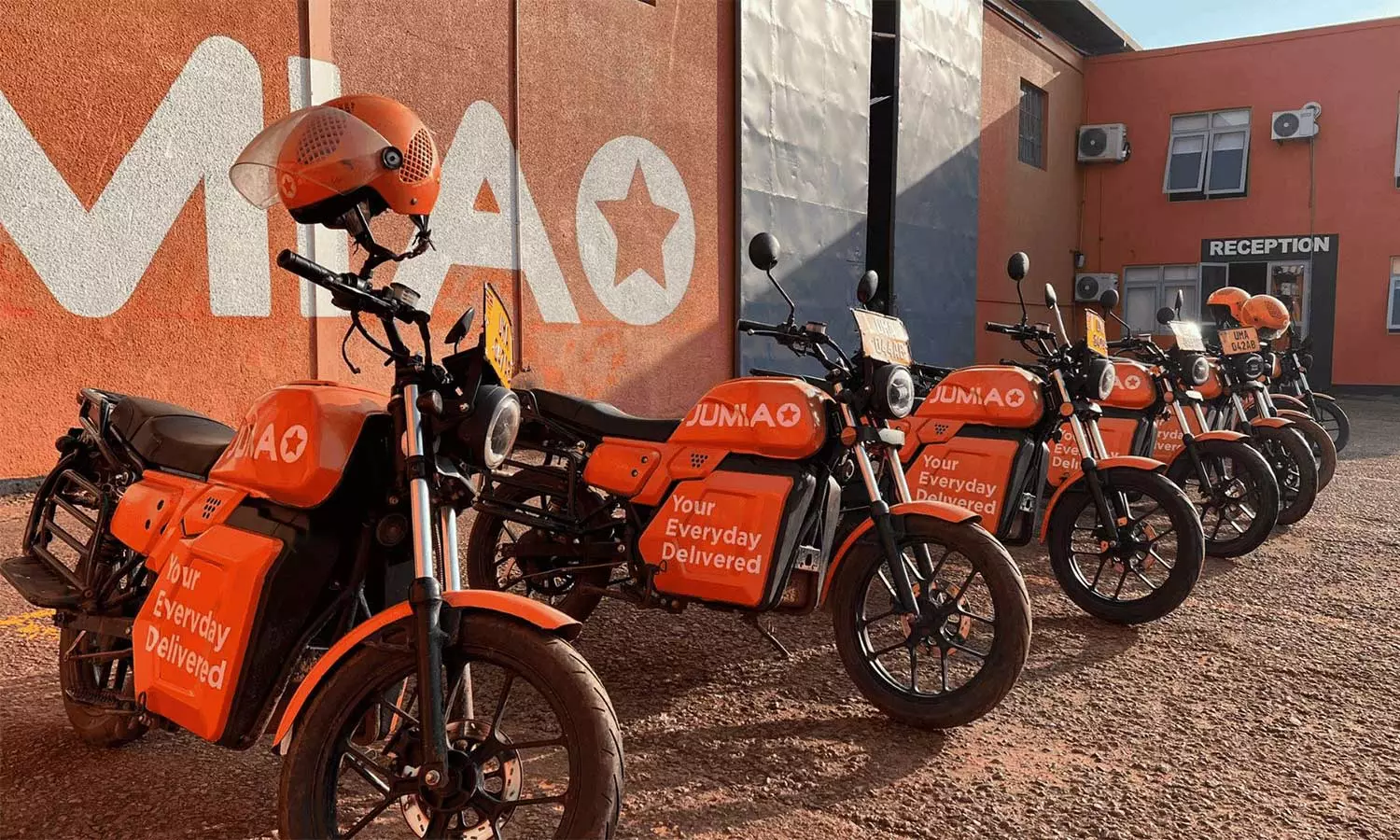
Jumia is currently undergoing a significant operational transformation, pivoting toward a business model that prioritizes long-term environmental sustainability alongside logistical efficiency. By integrating renewable energy and e-mobility into its core infrastructure, the company is addressing the unique geographical and economic challenges of the African e-commerce landscape. This shift is most visible in its recent milestones across East and West Africa, where green initiatives are already yielding measurable results.
In Uganda, the push for decarbonisation has centered on the "last mile", the most carbon-intensive part of the delivery chain. Currently, nearly 50% of Jumia’s delivery fleet in the country consists of electric vehicles. This transition is not merely a symbolic gesture toward environmentalism; it is a strategic move to insulate the supply chain from the volatility of global fuel prices. By deploying electric motorcycles and vans, Jumia is successfully reducing tailpipe emissions while simultaneously lowering the per-package cost of reaching customers in Kampala and its surrounding regions. These smarter operations ensure that the company can maintain a resilient delivery network even as urban congestion and fuel costs rise.
While Uganda focuses on movement, Côte d’Ivoire is revolutionising storage and processing. The company has moved to decouple its physical infrastructure from traditional power grids by investing in renewable energy. Today, over 40% of warehouse energy consumption in the country is generated through solar power. Warehouses are traditionally energy-heavy environments, requiring constant power for lighting, sorting machinery, and climate control. By shifting to solar, Jumia is transforming how its infrastructure runs, creating a more sustainable backbone for its West African operations.
Though the specific technologies vary by market, electric mobility in the East and solar transitions in the West, the strategic direction remains identical. Jumia is building a more resilient system that reduces its carbon footprint while optimizing costs. These initiatives prove that sustainable growth and operational excellence are not mutually exclusive but are, in fact, two sides of the same coin in the modern digital economy. Through these investments, Jumia is setting a benchmark for how e-commerce platforms can operate responsibly within the African continent.