
Egypt’s high-speed rail to carry 13mn tonnes of freight annually
The high-speed electric network can span 2,000km and move up to 13 million tonnes of freight annually, versus 4–5 million tonnes on current rail.
Egypt’s planned high-speed electric rail network is expected to transport up to 13 million tonnes of freight annually, compared with 4–5 million tonnes currently carried by the country’s conventional rail system, as Egypt moves to strengthen its national logistics and supply chain infrastructure.
The network will initially span 2,000 km, with plans to expand to 2,250 km through a fourth line linking Port Said and Alexandria, significantly enhancing rail-based freight movement across Egypt and supporting regional trade connectivity with Sudan and Libya.
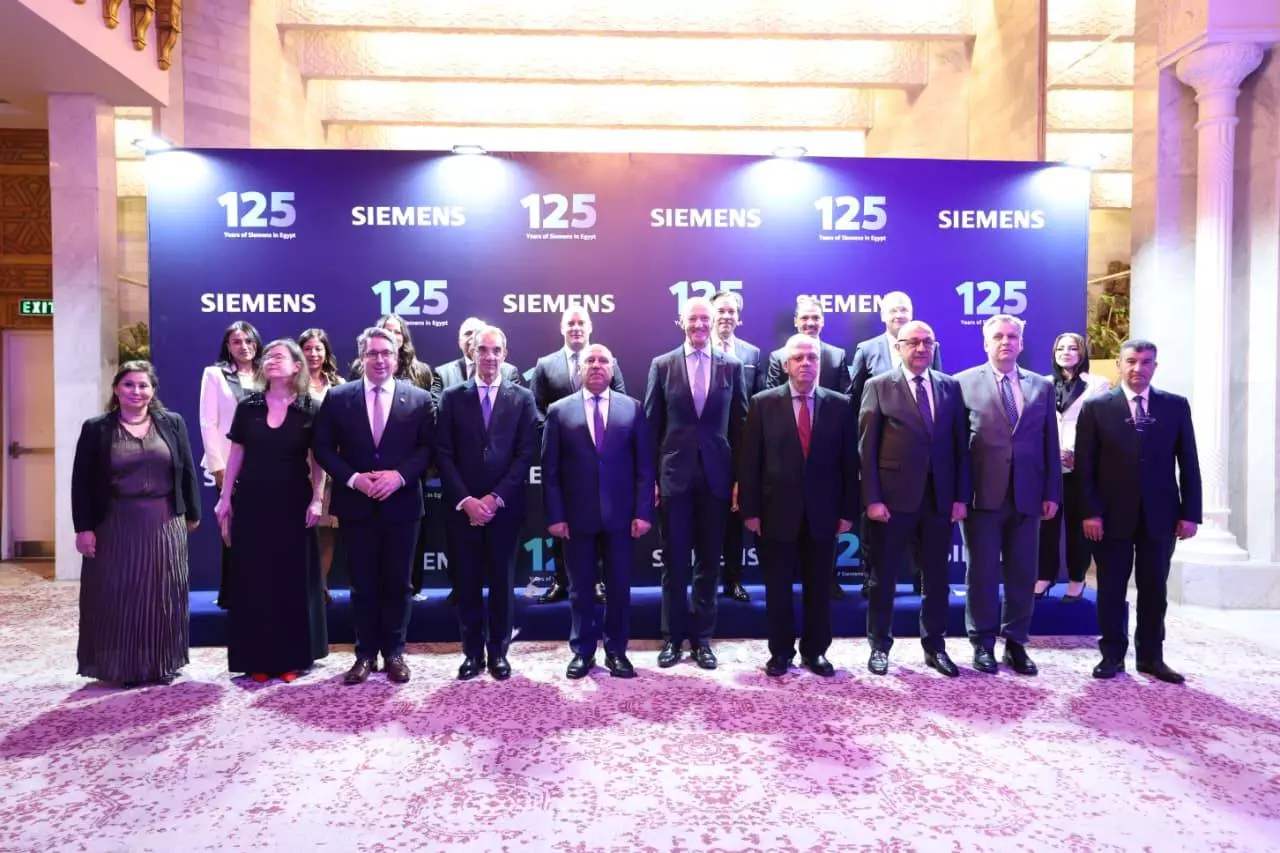
The details were outlined by Kamel Al Wazir, Egypt’s Deputy Prime Minister for Industrial Development and Minister of Industry and Transport, during a panel discussion held as part of the celebration marking 125 years of Siemens’ presence and partnership in Egypt.
Al Wazir said the high-speed electric rail project would fundamentally change both freight and passenger transport, linking all major ports, industrial zones, and production areas directly with seaports serving as export centres. The network will also connect large-scale agricultural development regions, including New Delta, West Minya, Toshka, and the Future of Egypt project, with domestic consumption markets and export ports.
From a logistics perspective, the rail system is designed to establish a strategic corridor linking the Red Sea and the Mediterranean Sea, integrating rail with airports, seaports, and road networks to realise multimodal transport. It will also connect seaports with dry ports and logistics centres, improving cargo handling efficiency and reducing reliance on road freight.
The minister added that the network would support sustainable urban development, population redistribution, and the creation of new development axes, enabling industrial and commercial activity to expand beyond congested urban centres.
The project will further strengthen Egypt’s industrial supply chains by linking raw material production and quarrying areas, including Abu Tartur, Qena, and Aswan, directly with export ports. Al Wazir noted that the routes of the first and second rail lines align with the long-term “Development Corridor” vision proposed by Egyptian scientist Farouk El-Baz.
Egypt’s existing railway network spans around 10,000 km, and it currently carries only 4–5 million tonnes of freight annually. On the other hand, the high-speed electric rail network is positioned as a step-change in capacity and efficiency, reinforcing Egypt’s ambition to act as a regional logistics hub connecting Africa, the Middle East, and global trade routes.
The Siemens anniversary event was attended by senior Egyptian ministers, representatives of the German government, Siemens AG leadership, and officials from the Egyptian Ministry of Transport and Siemens Egypt, underscoring the strategic importance of the project for Egypt’s transport and logistics agenda.