
Kenya calls for joint rail plan to boost East Africa trade
Kenya has developed the Standard Gauge Railway corridor from Mombasa to Naivasha, with plans to extend the line to Kisumu and Malaba to improve links with neighbouring markets.
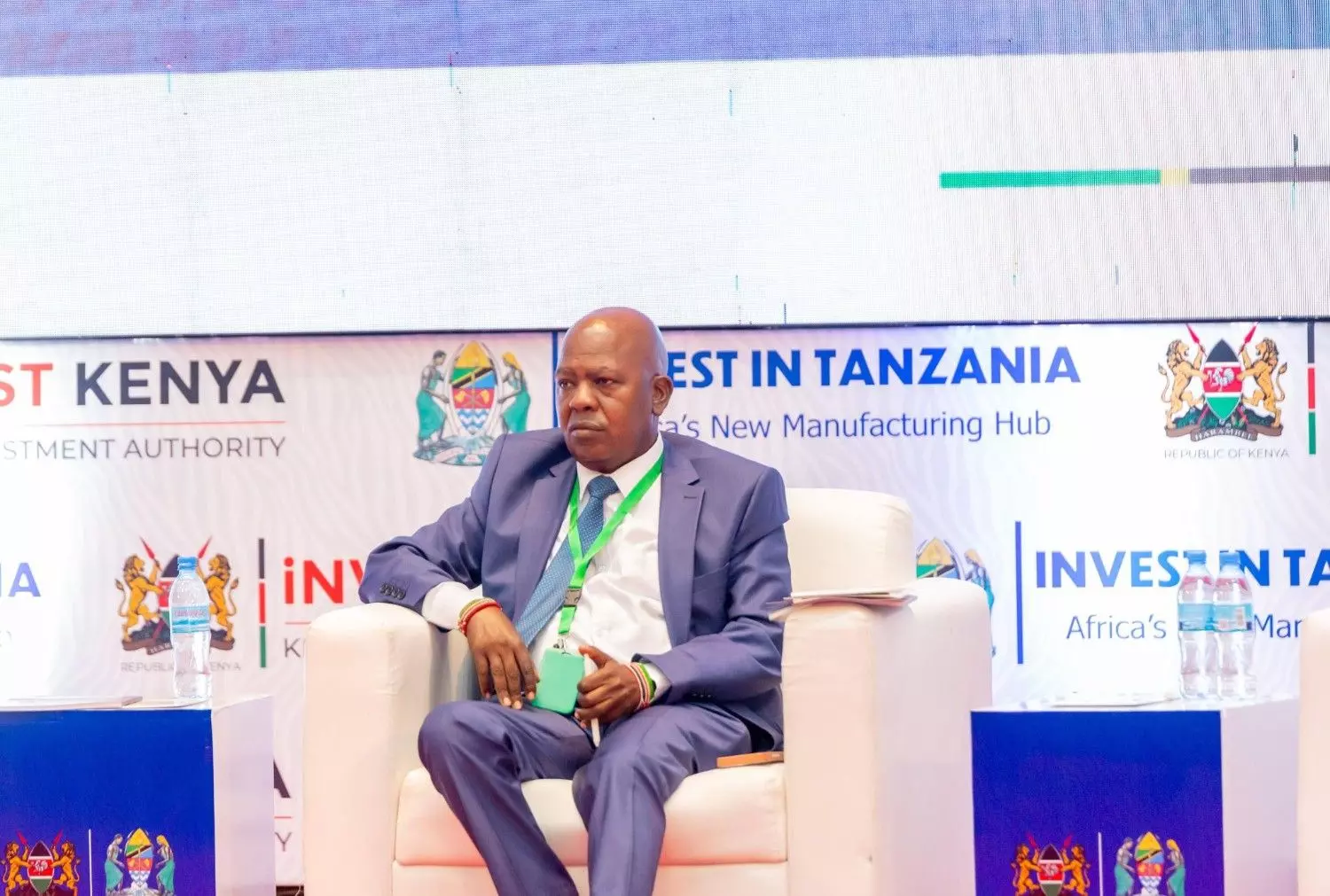
At the Tanzania-Kenya Business Forum 2026 in Dar es Salaam, Kenya Railways Managing Director Philip Mainga called for the implementation of a harmonised regional railway master plan to improve trade flows, reduce logistics costs, and advance economic integration across East Africa. He positioned Kenya Railways as a key participant in efforts to build cross-border rail connectivity that supports private sector activity and investment.
Mainga said coordinated railway systems across countries would address current inefficiencies in cargo movement and support regional trade expansion. “We need to implement the joint railway master plan with standardised specifications that allow our trains to move across borders without barriers,” said Mainga. “This is how we break trade bottlenecks, decongest our roads and ports, and lower the cost of doing business across East Africa.”
Kenya has developed the Standard Gauge Railway corridor from Mombasa to Naivasha, with plans to extend the line to Kisumu and Malaba to improve links with neighbouring markets. The expansion is expected to improve inland transport capacity and support cross-border trade routes.
Mainga also pointed to efforts to link Kenya and Tanzania through rail infrastructure, including the rehabilitation of the Voi–Taveta railway line. He said this corridor would serve as a key connection point between the two countries and support movement of goods across borders.
He added that connecting railway infrastructure with special economic zones and industrial centres would support value chains and improve the movement of goods within the region.
Other speakers at the forum included Felchesmi Mramba and Masanja Kadogosa of the Tanzania Railways Corporation. They highlighted the role of policy alignment, regulatory clarity, and coordinated planning in attracting investment into railway infrastructure.
Participants at the forum said that as trade volumes increase across East Africa, integrated railway networks will be central to improving competitiveness and enabling the movement of goods and people across borders.