
Kenya launches dedicated CMA CGM block train to expand rail freight
Kenya has launched a dedicated CMA CGM block train from Mombasa to Nairobi, aiming to enhance cargo efficiency and lower regional logistics costs.
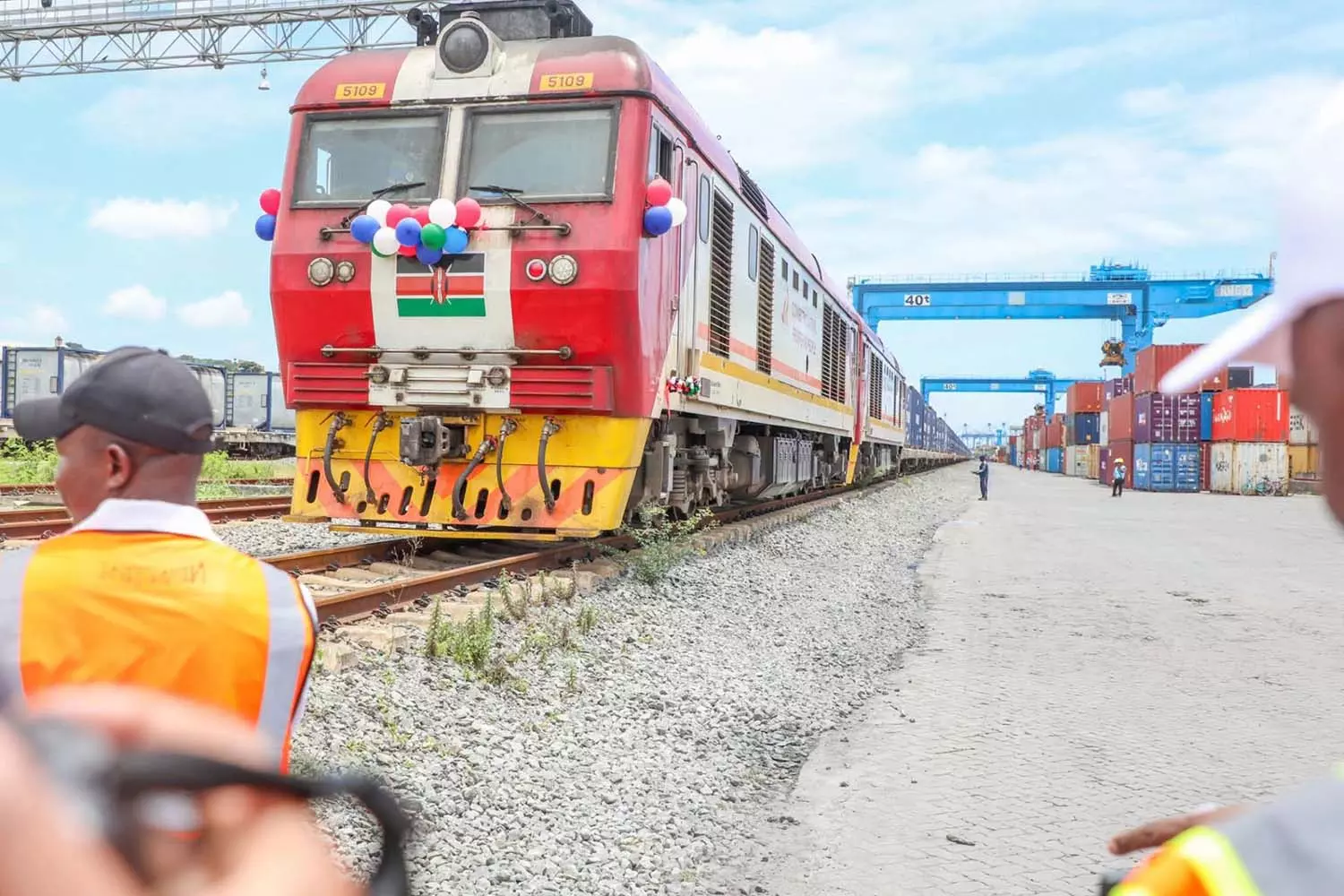
Image source: Kenya Ports Authority/Linkedin
The Government of Kenya has strongly reaffirmed its strategic commitment to strengthening rail freight transport following the official launch of a dedicated CMA CGM block train service. This newly established service directly links the bustling Port of Mombasa to the Inland Container Depot (ICD) situated in Nairobi, marking a significant step forward for regional transport infrastructure.
This vital move is widely expected to significantly enhance cargo efficiency, considerably lower logistics costs, and ultimately bolster Kenya's coveted position as East Africa's leading trade gateway. The inaugural block train seamlessly departed the Port of Mombasa carrying an impressive load of more than 100 Twenty-Foot Equivalent Units (TEUs). This milestone brings together the Kenya Ports Authority PLC, Kenya Railways, and the global shipping giant CMA CGM in a robust tripartite strategic partnership that is squarely aimed at streamlining regional supply chains.
Speaking during the high-profile launch event, the Principal Secretary for the State Department for Transport, Mr Mohamed Daghar, described the collaborative initiative as a major milestone in Kenya's ongoing efforts to modernise freight movement and improve the overall competitiveness of the vast Northern Corridor.
The Principal Secretary detailed that the service effectively demonstrates the growing capacity of the Standard Gauge Railway (SGR) to handle large cargo volumes with maximum efficiency. Furthermore, it provides much greater reliability for a wide range of stakeholders, including importers, exporters, and logistics operators navigating the East African terrain.
During his address, Daghar strongly encouraged the involved partners to maintain exceptionally high service standards. He noted that the long-term success and commercial viability of the joint venture would heavily depend on consistency, unshakeable reliability, and timely delivery.
"Customers will judge this service by its performance. Reliability, careful cargo handling and predictable transit times will be the true measure of success," the PS added.
The launch ceremony also attracted notable international attention, highlighting the global significance of the transport corridor. The French Ambassador to Kenya, H.E Wadidi Benaabou, hailed the Port of Mombasa as a critical driver of economic cooperation between Kenya and France.
The ambassador witnessed the departure of the inaugural train, terming the landmark event a true reflection of Kenya's growing importance as an indispensable regional logistics and trade hub.
Kenya Ports Authority Chief Executive Officer, Capt. William K. Ruto, warmly welcomed the service. He noted that the dedicated rail freight service would rapidly accelerate cargo evacuation from the bustling seaport while simultaneously strengthening the efficiency of the entire end-to-end logistics chain.
"He noted, “By moving cargo faster and more predictably, we are creating value for our customers while reinforcing the Port of Mombasa's competitiveness."
He further noted that faster and more streamlined cargo evacuation would successfully free up valuable yard space within the port's perimeters. In addition to optimising port operations, the shift to rail will significantly ease the mounting pressure on heavily trafficked road transport corridors and substantially improve truck turnaround times, which remains a persistent challenge in regional supply networks.
The forward-looking initiative is also highly expected to maximise the overall utilisation of the SGR network. This modern rail infrastructure extends beyond Nairobi to the inland port of Naivasha and connects seamlessly with the rehabilitated metre-gauge railway. Such connectivity provides crucial access to western Kenya and landlocked regional markets situated across the expansive Northern Corridor.
Looking ahead, the tripartite partners are ambitiously targeting two round trips per week for both imports and exports. Ongoing operational trials are currently expected to accurately determine the optimal cargo volumes, exact equipment requirements, and specific service standards needed to sustain and eventually scale the operation.