
Alexandria Port emerges as key Eastern Mediterranean transit hub
Alexandria Port has emerged as a key transit hub, handling nearly 800,000 TEUs in 2025, up 41% year on year.
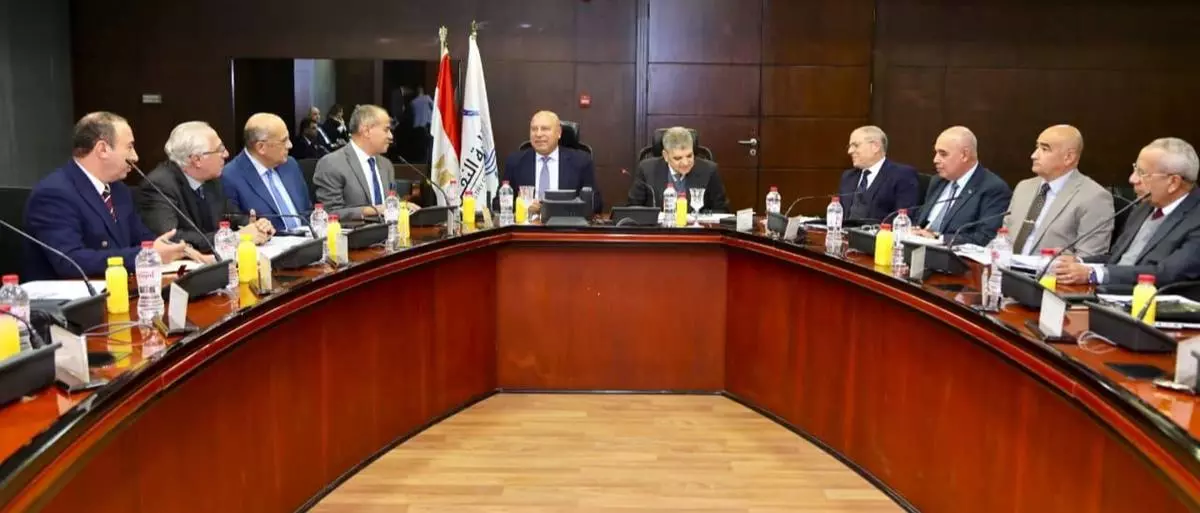
Egypt’s Deputy PM Kamel El-Wazir chairs Misr Ports Company assembly with Suez Canal Authority and transport officials present.
Alexandria Port has strengthened its position as one of the leading transit hubs in the Eastern Mediterranean, driven by sharp growth in container volumes and vessel calls during 2025, according to performance indicators reviewed at Misr Ports Company’s General Assembly meeting.
The Ordinary and Extraordinary General Assembly was chaired by Deputy Prime Minister for Industrial Development and Minister of Industry and Transport Kamel El-Wazir, with senior officials in attendance, including Suez Canal Authority Chairman Osama Rabie, Deputy Minister of Transport for Maritime Transport Nihad Shahin, and Assistant Minister for Maritime Transport Mohamed Fathy, alongside board members and representatives of contributing entities.
During the meeting, Misr Ports Company Chairman Abdel Qader Darwish presented the company’s operational performance for 2025, highlighting Alexandria Port’s growing role in regional transhipment. The terminal received 464 ships and handled close to 800,000 TEUs during the year, marking a 41% increase compared with the previous year.
As a result of this growth, Alexandria Port now handles around 40% of Eastern Mediterranean transit traffic, underscoring its rising importance as a gateway for regional and international container flows. Officials attributed the performance to improved operational efficiency, rising carrier confidence and Alexandria’s strategic location linking the Mediterranean with the Suez Canal trade corridor.
The General Assembly also approved the consolidated financial statements of Egyptian Maritime Ports Company for the period from July 1, 2023, to December 31, 2024, which were audited by both the Central Auditing Organization and the company’s external auditor.
Looking ahead, Darwish outlined future expansion plans and development projects aimed at reinforcing Alexandria Port’s hub status, increasing capacity and enhancing service levels to attract additional mainline and feeder services. These initiatives are expected to further strengthen Egypt’s role in Eastern Mediterranean maritime trade and support the country’s broader logistics and port development strategy.