Digital shipping outpaces seafarer skills, new reports warn
Two new reports by OneOcean and Thetius reveal that traditional seafarer training is failing to prepare crews for modern complex digital environments.
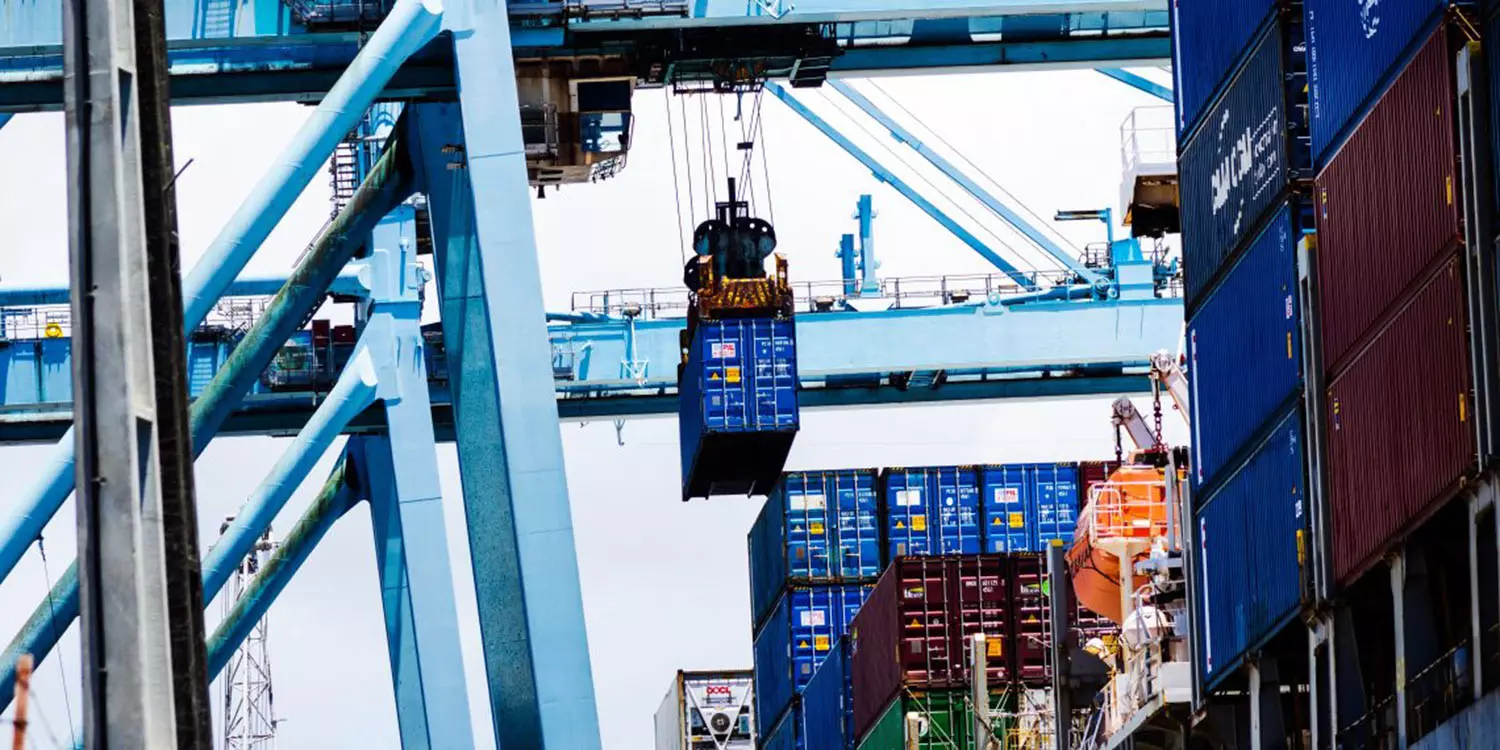
Image source: thetius.com
The maritime industry is undergoing a profound digital transformation, but a critical component of this operational evolution is being left behind, which is the human element. Seafarer training is rapidly falling behind the fast-paced, highly complex operational realities at sea. This alarming discrepancy is the focal point of two comprehensive new reports commissioned by OneOcean and conducted by maritime innovation consultancy Thetius, which warn that while the global seafaring workforce may appear highly qualified on paper, it is often significantly underprepared in actual practice.
Drawing on extensive survey data and deeply insightful interviews with a wide spectrum of maritime professionals, including ship masters, navigating and engineering officers, superintendents, training personnel, crewing staff, and shore-based operators, the research shines a glaring light on a growing industry crisis. The findings expose two interconnected challenges fundamentally altering life at sea: seafarers are being forced to navigate increasingly complex digital environments, and conversely, maritime professionals simply do not feel well equipped or prepared to keep pace with this relentless technological change.
The first of the two reports, titled Competent or Compliant?, takes a hard look at the current educational models and exposes severe systemic deficiencies. The data gathered is stark. A massive 82% of respondents explicitly state that current training models do not properly prepare crews for modern, real-world operations. Furthermore, 52% report that fully qualified crew members struggle in real operations ‘often’ or ‘very often’. A significant factor in this shortfall appears to be a culture of bare-minimum regulatory adherence, with 56% of respondents indicating that ‘tick box’ compliance directly contributes to this dangerous competence gap. Alarmingly, a mere 18% of surveyed maritime professionals believe that current training adequately prepares crews for operational reality.
These competence gaps are not uniformly distributed; rather, they manifest dangerously during critical operational moments. Maritime professionals noted that these deficiencies are most visible during abnormal or unexpected situations (67%), during high-pressure operations (56%), when crew members are transitioning between different vessels with varied technological setups (36%), and when navigating complex digital systems, such as Electronic Chart Display and Information Systems (ECDIS), or administrative reporting tools (31%).
The second report, Decision-optimised or overloaded?, explores the unintended consequences of the maritime digital revolution. While modern vessels have transformed into highly connected digital ecosystems, bringing undeniable improvements in reporting, transparency, and operational efficiency, they have simultaneously introduced novel risks. Chief among these is that new technology often redistributes work rather than eliminating it. Crews increasingly find themselves acting as manual bridges between disjointed systems that fail to communicate with one another, forcing them to reconcile conflicting data across multiple screens and displays.
This digital fragmentation directly fuels alert fatigue, which is identified as a rapidly growing operational risk. The report highlights a striking example: during instances of Global Navigation Satellite System (GNSS) interference, 75% of mariners reported a moderate to significant increase in their workload. This demonstrates exactly how quickly information overload can escalate into a crisis when multiple systems alarm simultaneously. Ultimately, the report suggests that bombarding crews with more data does not necessarily yield better decisions, especially in high-pressure scenarios, yet current training courses comprehensively fail to prepare seafarers to manage this overwhelming data reality.
Addressing these profound challenges, Alex Mangan, Chief Marketing and Communications officer at OneOcean, noted the urgency of the situation and the dual nature of the crisis.
“Change in shipping will only accelerate as vessels adopt new digital systems to manage tightening international regulation and to sail more efficiently and productively,” Mangan said. “This has created a growing gap between the training seafarers receive and the challenges they face at sea. The problem is twofold, coming from rapid technological changes at sea, and from the ways in which training is delivered to crews. Closing this reality gap requires the industry to shift its approaches to competence, to reflect real-world operations.”
Nick Chubb, Founder of Thetius, echoed this exact sentiment, emphasizing the immediate need for a fundamental overhaul in maritime industry training philosophies.
“The findings reveal a clear reality gap between the demands of modern shipping and the way competence is developed. As vessels become more digitally complex, the industry must move beyond compliance-based training and equip seafarers with the skills they need to operate safely and effectively,” Chubb stated.
To combat these systemic issues, OneOcean’s own product suite has been strategically designed to reflect this modern reality. The company’s Ocean Learning Platform (OLP) is engineered to give operators comprehensive, fleet-wide visibility into crew readiness. By transforming static certification records and routine assessments into a dynamic, verified picture of who is truly ready for deployment, the platform highlights exactly where vital training gaps remain, painting a clear and actionable picture of actual competence levels. Moving forward, OneOcean maintains its strong commitment to investing in Human Capital Management, empowering continuous workforce planning, development, and engagement through advanced digital tools.
The urgent conversation surrounding these findings continues to gain significant momentum across the global sector. Both reports were officially launched via a highly attended two-part webinar series hosted by Thetius, which featured live, in-depth discussions of the findings with expert industry panellists.
Furthermore, OneOcean drove the dialogue forward this week at the Seatrade Maritime Crew Connect Global event. There, Capt. Sanjeev Mathur, SVP at OneOcean, moderated a critical peer exchange focused on ‘The Deployment Gap: What the Officer Shortage Actually Costs to Manage’. In addition, John Butler, SVP of Technical Ship Management at OneOcean, discussed ‘The Fatigue Timebomb & Shore Leave Erosion: A Witness Stand’, while Anna Ruszczynska, Regional Director for APAC at OneOcean, passionately debated the topic, ‘The 800,000 - Who Owns the Race to Train the Guinea Pig Generation?’, underscoring the industry-wide imperative to finally rethink maritime training for the realities of the digital age.
This article was first posted in Indian Transport & Logistics News.