
Egypt drives trade and global investment through the SCZONE
Egypt’s government and SCZONE leaders discuss strategies with the OECD to enhance investment and integrate local firms into global value chains.
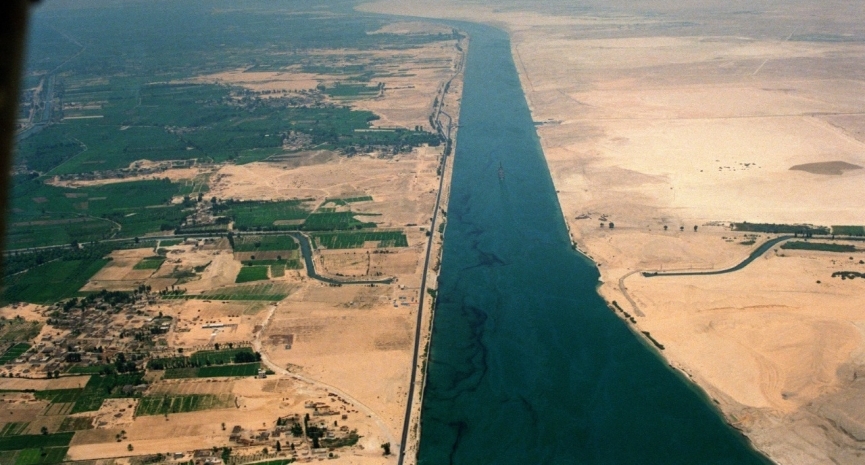
On Tuesday, April 21, 2026, the Egyptian government, led by the Minister of Planning and Economic Development, Ahmed Rostom, convened a high-level roundtable discussion to deliberate on the future of the nation’s economic competitiveness. The primary focus of the meeting was the Suez Canal Economic Zone (SCZONE), a critical asset that serves as an integrated platform for trade, logistics, and industrial production.
The roundtable, which included representatives from the Organisation for Economic Cooperation and Development (OECD), senior government officials, and key private sector partners, aimed to address the multifaceted challenges currently facing global markets. Minister Rostom opened the proceedings by underscoring that the discussion arrived at a pivotal moment, characterised by shifting trade patterns, geopolitical tensions, and ongoing pressures within global supply chains. He argued that as these issues grow in complexity, Egypt must prioritise collaboration, flexibility, and the integration of domestic companies into international value chains.
Minister Rostom provided a comprehensive overview of the SCZONE’s strategic importance, noting that the corridor facilitates the passage of approximately 30% of global trade and 20% of international container traffic. Such figures highlight the zone’s undeniable role as a linchpin in global supply networks. To capitalise on this, the government has invested heavily in infrastructure, equipping the zone with six ports, four industrial zones, and multimodal transport links supported by advanced digital systems. According to the Minister, this integrated approach not only improves the predictability of investments but also secures supply chain continuity.
Furthermore, the Minister highlighted a significant recovery in Suez Canal traffic following a period of global uncertainty. Data presented during the roundtable indicated a robust growth trajectory, with traffic rising by 8.6% in the first quarter, accelerating to 24.2% in the second quarter, and reaching 25.6% subsequently. This uptick has proven vital in lowering transaction costs and alleviating bottlenecks, thereby bolstering investor confidence. Additionally, the first half of the year saw a 19% year-on-year increase in container volumes and a 16% rise in vessel traffic, metrics that Rostom cited as clear evidence of the zone’s resilience and operational efficiency.
Echoing these sentiments, Waleid Gamal El-Dein, Chairman of the SCZONE, confirmed that the zone had successfully attracted investments and capital amounting to $60 billion from 20 different countries. He projected that by June, the region would reach its highest financial returns to date. Gamal El-Dein emphasised the significance of the partnership with the OECD, which celebrated its tenth anniversary of cooperation with Egypt last year. This collaboration has provided the research and planning framework necessary to optimise the zone’s development.
The Chairman also highlighted the progress in the localisation of industries, particularly within the medical, energy, and specialised manufacturing sectors. He pointed to the Port Said Economic Zone’s recent success, which saw it rank third globally in container handling, reinforcing its position as the top hub in Egypt. Furthermore, he highlighted the West Kantara project as a cornerstone of the nation’s maritime transport strategy. As Egypt continues to invest in world-class infrastructure and foster an environment conducive to international partnerships, the SCZONE stands ready to play an even greater role in the global shift towards sustainable energy and industrial efficiency. The leadership’s call to action was clear: the time is right for the private sector to leverage the full capacity of Egypt’s most ambitious economic project.