
Kenya braces for heavy rains, port delays, and cargo bottlenecks
Kenya faces severe supply chain delays as forecast heavy rains and localised flooding threaten cargo corridors and operations at the Port of Mombasa this season.
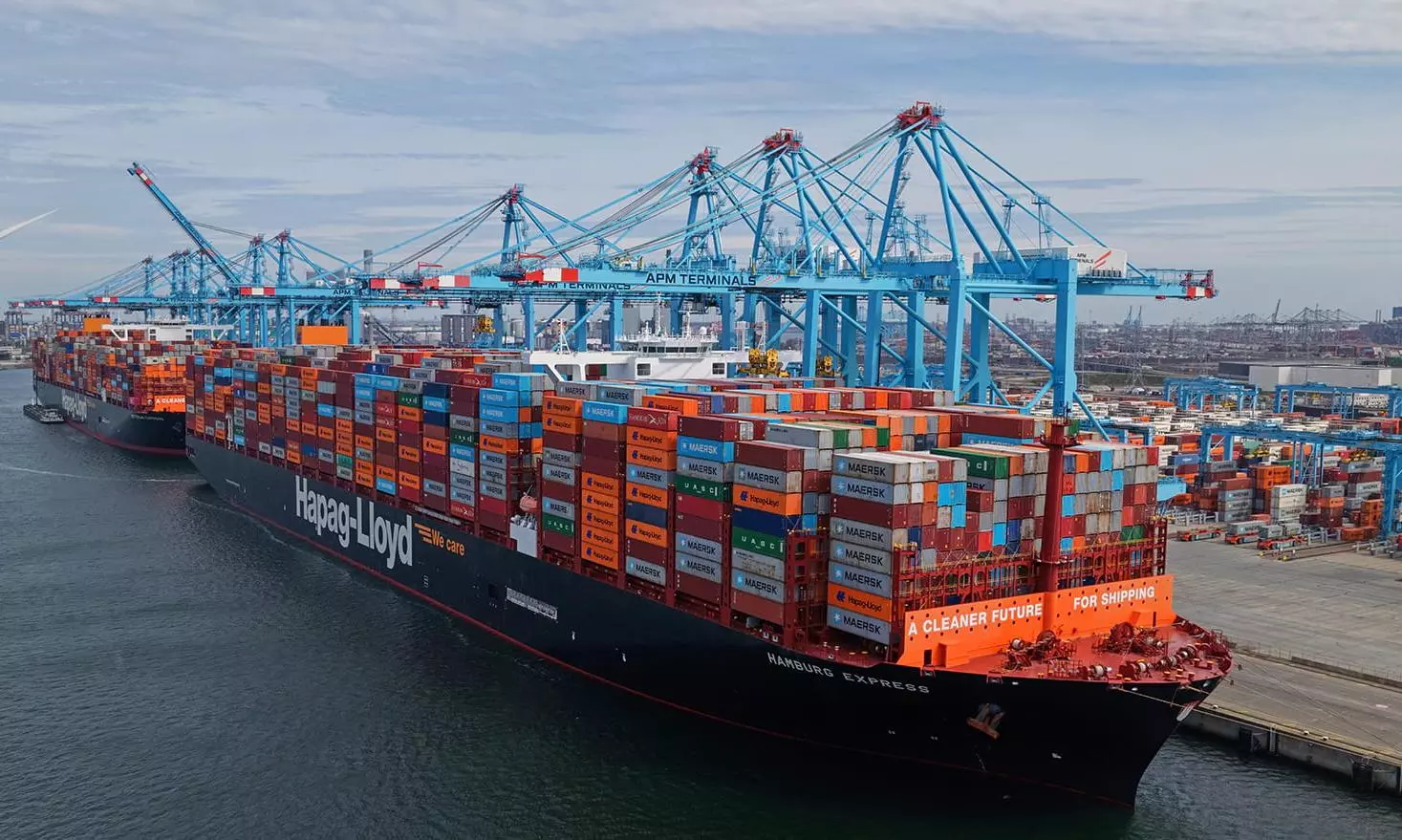
Heavy rainfall projected across Kenya between October and December 2026 is prompting regional freight operators and supply chain specialists to brace for logistics bottlenecks along the Northern Corridor. Meteorologists anticipate above-average precipitation across broad swathes of the country over the coming months, raising concerns over localised flash flooding and potential infrastructural damage.
Although maritime and terminal activities remain steady at present, logistics planners warn that severe downpours could quickly disrupt container terminals, rail networks, and cross-border arterial highways connecting the Indian Ocean coastline to landlocked East African markets.
Addressing customers and trade partners on the evolving situation, an official operational advisory issued a cautionary note: "While no weather-related operational disruptions have been reported at this stage, these conditions may affect operations at the Port of Mombasa and inland cargo movements. We would therefore like to inform you about the potential impact on your shipments and recommend precautionary measures to support your cargo planning."
The alert outlines multiple vulnerabilities across the multimodal transport network. Heavy deluges and standing water could trigger significant delays to vessel berthing, terminal yard operations, port gate access, and container handling. Inland road and rail connections are particularly exposed, with key transport segments along the Northern Corridor facing potential washouts or severe transit restrictions. Such logistical hindrances directly threaten seamless movement for vital transit shipments bound for Uganda, Rwanda, and the eastern Democratic Republic of the Congo.
Beyond physical transit stoppages, operational friction is expected to ripple across the entire clearance cycle. Shippers face prospective delays in clearing import collections, fulfilling export gate-ins, meeting scheduled inland deliveries, and processing the timely return of empty shipping containers. Furthermore, prolonged exposure to relentless tropical downpours dramatically elevates the risk of moisture infiltration and water damage to sensitive merchandise during transit, stuffing, and offloading.
To minimise logistical vulnerabilities, cargo owners and forwarders are advised to build buffer time into their supply chain forecasts and arrange collections and deliveries well ahead of schedule. Operators must diligently inspect container equipment prior to stuffing, rejecting or flagging units with compromised integrity, tears, or existing dampness. Securing waterproof packaging, monitoring vessel cut-off windows closely, and maintaining proactive contact with freight forwarders and clearing agents will prove essential throughout this rainy cycle.