
Port of Maputo launches $150 million dredging project
A $150 million dredging project will deepen and widen the port’s access channel, enabling larger vessels and supporting Southern Africa’s regional trade.
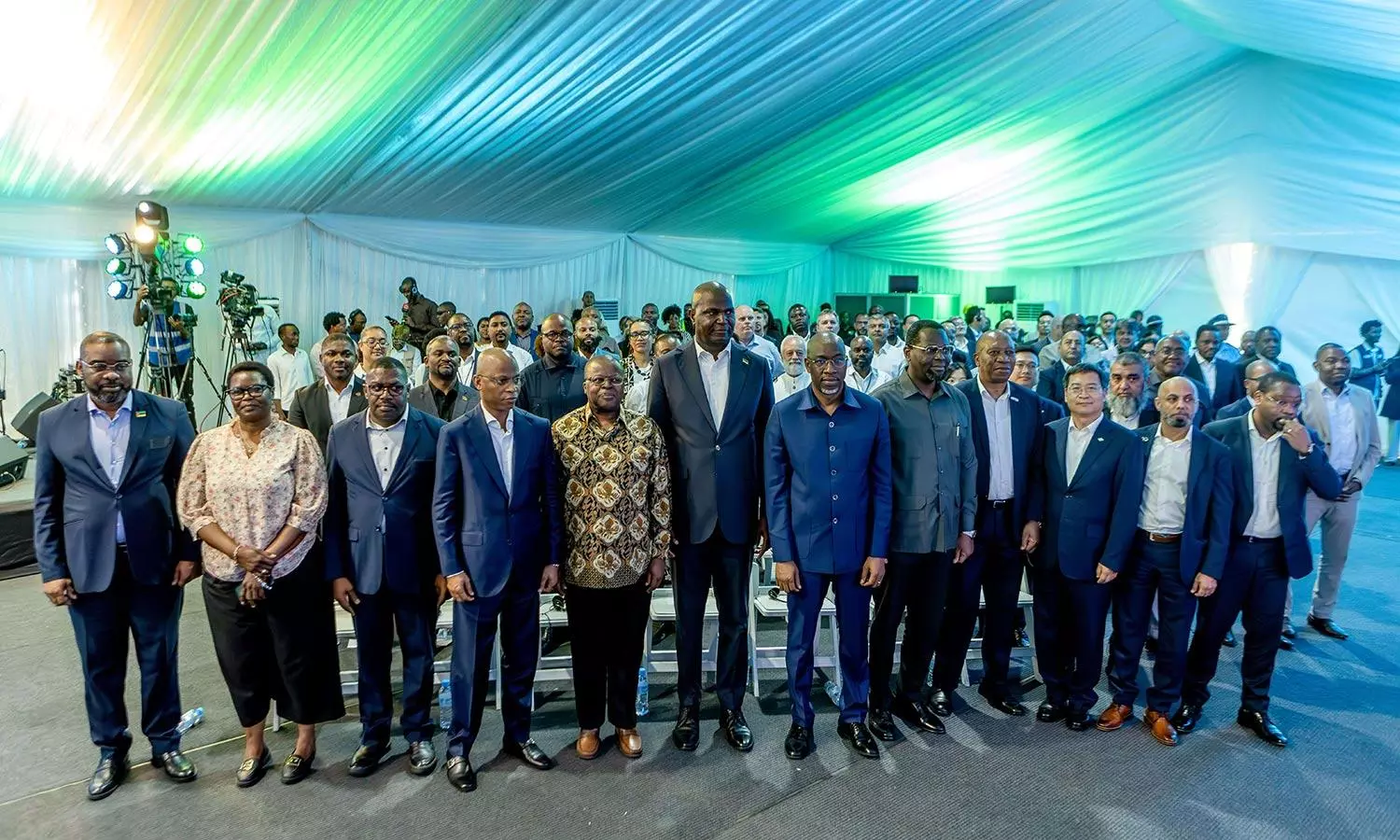
The Port of Maputo in Mozambique has launched a US$150 million capital dredging project to deepen and widen its access channel, enabling the port to accommodate larger vessels and handle growing cargo volumes.
Mozambique President Daniel Francisco Chapo officially launched the project on 12 October 2026 at a ceremony held at the port, marking the start of dredging operations.
The project aims to strengthen the port’s competitiveness and improve Southern Africa’s access to international markets through the Maputo Corridor. By allowing larger ships to call at the port and carry more cargo per visit, the investment is expected to support economies of scale, more regular shipping services and greater operational predictability for customers.
The development is also intended to reinforce the Port of Maputo’s role as a regional trade gateway, supporting Mozambique’s integration into regional, continental and global markets.
President Chapo said, “When a Mozambican port becomes more competitive, we do not only bring Mozambique closer to the world. We bring Southern Africa closer to the world.”
The President emphasised the Port of Maputo’s role in linking industrial and production hubs across South Africa, Eswatini, Zimbabwe, Botswana and other regional markets with global trade routes. He said the project would help leverage Mozambique’s geographic location to drive economic growth across Southern Africa.
The dredging project is being carried out alongside major investments in the Port of Maputo’s landside infrastructure, including the expansion of DP World’s container terminal, the Matola coal terminal and facilities handling minerals, bulk and general cargo.
Over approximately 12 months, seven specialised vessels will remove an estimated 21.7 million cubic metres of material. The work will increase the channel’s maximum depth to around 15.3 metres and nearly double its width along the main sections.
The expanded channel capacity is expected to enable larger vessels to access the port, allowing operators to make fuller use of investments in terminal infrastructure and accommodate the growing size of ships deployed in international shipping.
MPDC Chief Executive Officer Osório Lucas said, “The opportunity is not simply to receive a larger vessel. It is the ability to move more cargo per call, create greater regularity in shipping services, offer more predictability to customers, and support new logistics solutions.”
The expansion of the container terminal will raise its handling capacity to 650,000 TEUs, while the coal terminal’s capacity will increase to 12 million tonnes and mineral bulk handling capacity to 20.6 million tonnes.
The dredging project is part of a broader investment programme worth more than US$2 billion planned for the Port of Maputo.
The port handled approximately 32 million tonnes of cargo in 2025, highlighting its growing importance to Mozambique and the wider Southern African economy. However, President Daniel Francisco Chapo and MPDC’s chief executive officer emphasised that expanding port capacity alone would not be sufficient to realise the full benefits of the investment.
For regional cargo owners, the competitiveness of the Maputo Corridor will also depend on reliable rail and road links, efficient border operations, simplified customs and administrative procedures, and better integration of digital systems across the logistics chain.
President Chapo said the port’s competitiveness depends not only on infrastructure at the quay but also on efficient rail and road links, border operations, customs procedures, payment systems and logistics operators working together.
He stressed that infrastructure investments must be supported by simplified procedures, greater digitalisation and stronger coordination between public and private stakeholders across the Maputo Corridor.
The launch of the Maputo Port Community System in July 2026, the first platform of its kind in Mozambique, was cited as a key step towards integrating information and processes across the port and logistics network.
China Road and Bridge Corporation will carry out the capital dredging, while the Port of Maputo will continue operating throughout the project.