
Saudi ports expand Bahrain link, add routes to secure trade flows
MSC Gulf Shuttle links Dammam with Bahrain as Mawani adds five services and reroutes cargo amid Strait of Hormuz tensions.
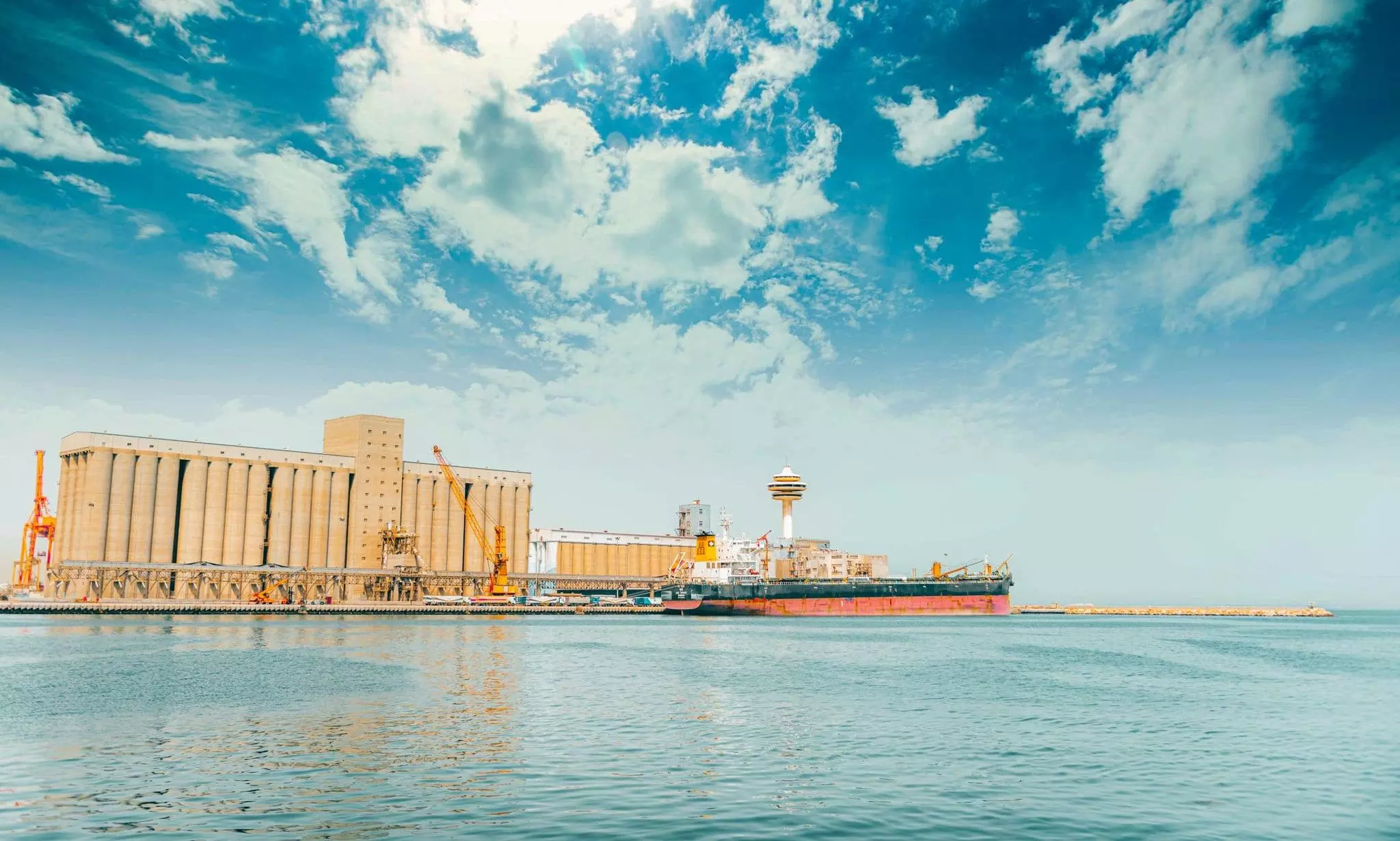
King Abdulaziz Port in Dammam
Saudi Arabia has strengthened its regional maritime connectivity with the launch of a new shipping link between the Kingdom and Bahrain through the Gulf Shuttle service operated by MSC via King Abdulaziz Port in Dammam.
The service, announced by the Saudi Ports Authority (Mawani), connects King Abdulaziz Port with Khalifa Bin Salman Port in Bahrain and has a capacity of up to 3,000 TEUs. The new maritime link aims to enhance cargo movement between the two countries while expanding shipping networks across the Gulf.
According to Mawani, the initiative forms part of broader efforts to strengthen Saudi Arabia’s position as a global logistics hub and a strategic link connecting three continents.
New shipping services expand maritime connectivity
These developments come as Mawani announced the addition of five new maritime shipping services following the onset of tensions in the Strait of Hormuz, a key global maritime corridor.
The services were introduced in partnership with major global shipping lines including MSC, CMA CGM, Maersk, and Hapag-Lloyd, reflecting the operational readiness of Saudi ports to respond to shifting regional trade dynamics.
The newly launched services, Gulf Shuttle, Redex, Jade, AE19, and SE4—operate across multiple maritime routes connecting Saudi ports with regional and international destinations, expanding maritime connectivity and strengthening logistics performance.
According to Mawani, the combined capacity of these services reaches approximately 63,594 TEUs, increasing operational capacity at Saudi ports while offering exporters and importers greater flexibility in shipping options.
The authority noted that the move is designed to mitigate the impact of challenges affecting major maritime corridors, particularly the Strait of Hormuz, while ensuring the continuity of supply chains and the steady movement of goods.
In a related development highlighting the operational flexibility of Saudi ports, an exceptional shipment of wind turbine blades recently arrived at Yanbu Commercial Port after being rerouted from Jubail Commercial Port.
The cargo arrived aboard the vessel YONG XING and consisted of 27 wind turbine blades weighing a total of 6,904 tonnes. Each blade measures 100 metres in length, demonstrating the capability of Saudi ports to handle large-scale project cargo and specialised logistics operations.
Authorities noted that the successful rerouting and handling of the shipment reflects the efficiency and adaptability of the Kingdom’s logistics ecosystem in responding to regional developments and maintaining the smooth flow of maritime trade.
Supporting vessels operating in the Gulf
Separately, Mawani has also launched an initiative to support vessels operating in the Arabian Gulf by leveraging facilities across ports in the Kingdom’s Eastern Region to provide integrated maritime services.
The initiative offers services including food and medical supplies, crew change services, bunkering, and water supply, along with other operational requirements to ensure smooth and efficient maritime voyages.
To facilitate access to these services, Mawani will provide an updated list of approved ship suppliers and bunkering service providers, enabling shipowners and operators to coordinate their needs directly and efficiently.
The authority’s Knowledge and Service Hub continues to operate around the clock to receive inquiries and direct requests, helping ensure fast response times and high service standards.
Logistics corridors initiative strengthens Red Sea routes
Earlier this month, Saudi Arabian authorities also launched a Logistics Corridors Initiative aimed at rerouting cargo flows from Gulf states and eastern ports toward several Red Sea gateways.
Announced on March 12 by Transport and Logistics Services Minister Saleh Al-Jasser, alongside officials from Mawani and the Zakat, Tax and Customs Authority (ZATCA), the initiative seeks to establish a dedicated logistics corridor for oil and other goods.
The plan will link ports across the Gulf Cooperation Council (GCC) with Jeddah Islamic Port, King Abdullah Port, and Yanbu Commercial Port on the Red Sea. Cargo will then be transported overland to relevant Gulf markets.
Authorities say the corridor will leverage unused capacity at Saudi Arabia’s Red Sea ports to facilitate cargo transit while bypassing the Strait of Hormuz.
The initiative will also support the Kingdom’s East-West pipeline, enabling oil shipments from eastern Saudi Arabia to the Red Sea coast, where total port capacity exceeds 18.2 million containers annually, reinforcing Saudi Arabia’s ambition to become a major global logistics hub.


