
From pasture to port: Why Africa still imports its meat
Across Africa’s cities, imported meat fills shelves despite large local livestock populations, highlighting a growing supply gap.
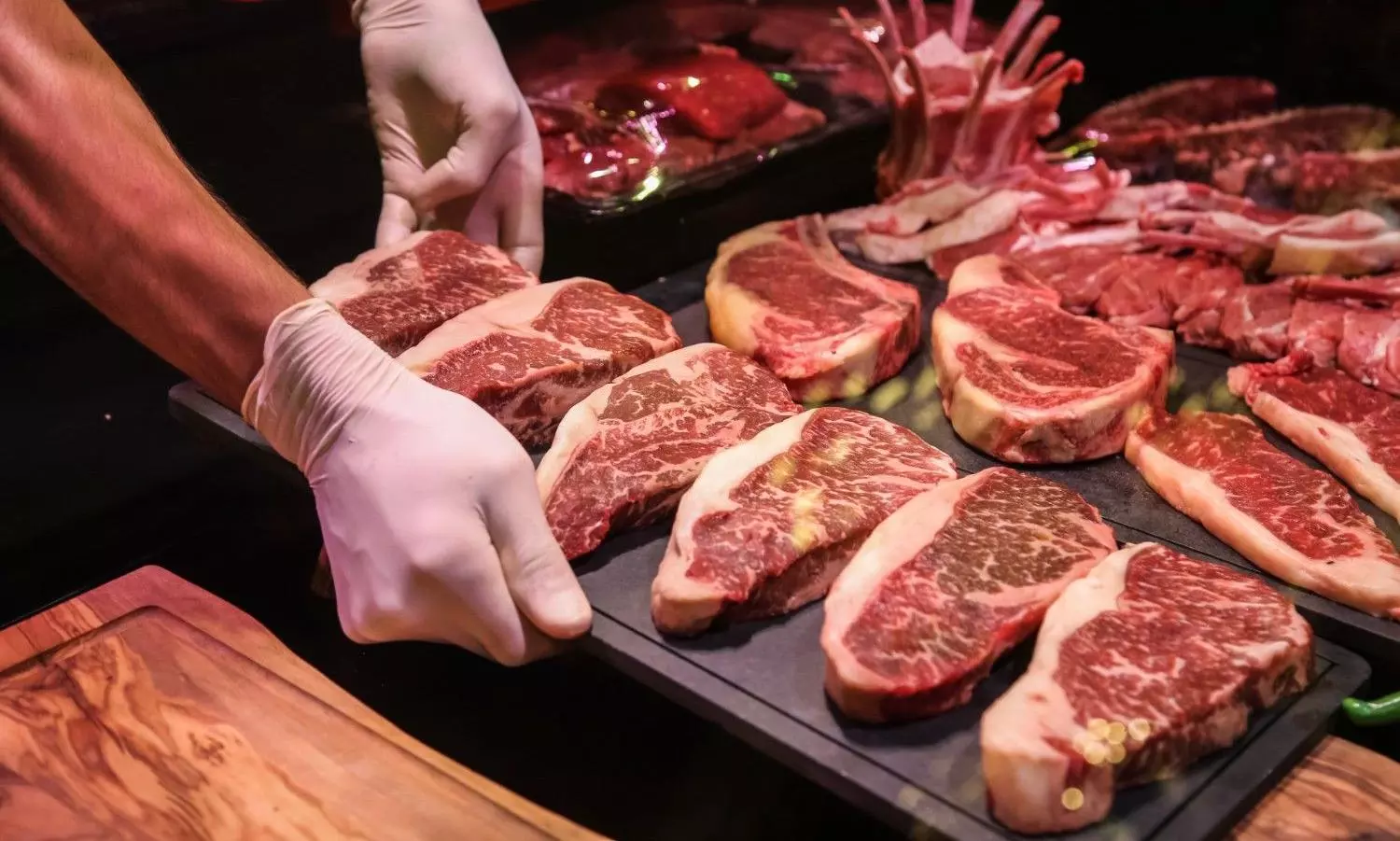
Africa’s reliance on imported meat is not driven by a shortage of livestock, but by structural constraints across the value chain. Limited processing capacity, weak cold chain infrastructure, fragmented supply systems and regulatory barriers prevent domestic production from meeting the scale, consistency and quality demanded by rapidly growing urban markets.
In the Intergovernmental Authority on Development (IGAD) region alone, livestock numbers exceeded 470 million in 2025, underlining the scale of Africa’s resource base. Livestock contributes nearly 57 per cent of agricultural GDP in parts of the region in 2025, according to the IGAD Centre for Pastoral Areas and Livestock Development (ICPALD). Yet, across urban markets, demand continues to outpace local processing and distribution capacity, driving reliance on imports.
Urban consumption surge redraws global meat supply routes
Urbanisation and income growth are steadily reshaping food consumption patterns across the continent. According to the World Bank and the Food and Agriculture Organization of the United Nations (FAO), rising incomes, expanding retail networks and improved access to refrigeration are making animal protein a more regular part of urban diets. This shift is particularly visible in countries such as Nigeria, Ghana and South Africa, where demand for poultry and beef has risen sharply over the past decade.
This demand is increasingly met by established global exporters. Brazil, the European Union and the United States remain among the largest suppliers of poultry and beef to African markets, based on UN Comtrade and Observatory of Economic Complexity (OEC) data.
Imports typically move through major port gateways such as Durban, Lagos and Mombasa, where cold chain infrastructure supports distribution into inland markets. From these hubs, refrigerated cargo is transported to wholesale markets, food processors and retail chains across urban centres.
Import dependence is particularly pronounced in parts of West and Central Africa, where domestic production systems often struggle to meet consistent quality and volume requirements.
South Africa illustrates this dynamic clearly. In 2025, the country imported ZAR4.89 billion (around $291 million) worth of poultry meat, with Brazil accounting for the largest share, followed by suppliers such as Argentina, the United States and Spain, according to OEC data.
Export potential constrained by structure
While Africa is a major importer, several countries are also active exporters. Namibia, Botswana, South Africa, Sudan and Ethiopia supply beef, goat and sheep meat to markets in the Middle East, Europe and Asia.
However, export structures reveal a persistent imbalance. According to ICPALD, countries in the IGAD region account for roughly half of live animal exports to Middle Eastern and North African markets but only a small share of processed meat exports.
Cold chain and logistics gaps
The efficiency of the meat trade depends heavily on logistics. Cold chain infrastructure, including refrigerated containers, storage facilities and temperature-controlled transport, is critical to maintaining product quality and safety.
Ports such as Mombasa and Dar es Salaam play an important role as regional gateways, supporting both imports and exports. Air cargo is also used for high-value, time-sensitive shipments such as fresh meat destined for premium markets.
However, infrastructure gaps remain a constraint. The World Bank and FAO have highlighted persistent challenges across parts of Africa, including limited cold storage capacity, fragmented transport networks and high logistics costs. These factors reduce competitiveness and contribute to post-harvest losses.
Regulation and market access
Sanitary and phytosanitary (SPS) standards play a critical role in determining market access. According to the World Organisation for Animal Health (WOAH) and FAO, outbreaks of diseases such as foot-and-mouth disease, avian influenza and Rift Valley fever can lead to immediate trade restrictions.
Countries that invest in veterinary services, disease surveillance and animal identification systems are better positioned to access international markets. Others remain largely confined to regional trade due to gaps in compliance and certification.
Regional trade opportunity
The African Continental Free Trade Area (AfCFTA) presents an opportunity to strengthen intra-African trade. The agreement brings together 55 countries with a combined GDP of around $3.4 trillion and aims to liberalise tariffs on most goods.
Greater alignment of standards, combined with investment in cold chain and processing infrastructure, could support more efficient regional supply chains. Countries with strong livestock bases, such as Ethiopia and Tanzania, have the potential to supply neighbouring markets more effectively if these constraints are addressed.
Africa’s meat trade is therefore defined by both dependence and opportunity. While imports continue to fill supply gaps, the continent’s long-term position in the global protein economy will depend on its ability to scale processing, strengthen logistics and move up the value chain.