
Tariffs and trade policy shifts strain global logistics networks
RELEX Solutions reveals that 86% of supply chain leaders say trade policy changes or tariffs have impacted Businesses.
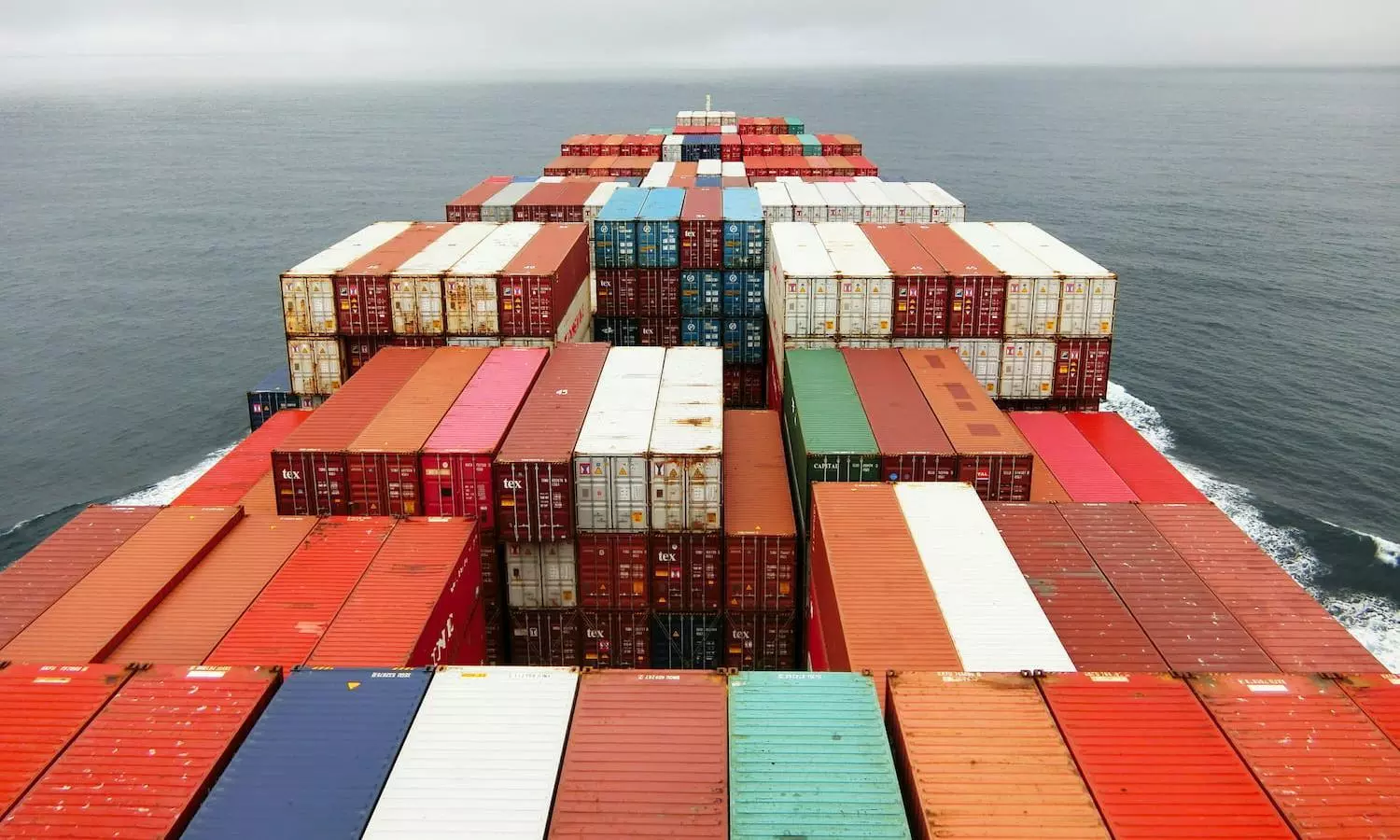
Photo by Rinson Chory on Unsplash
Global logistics networks are facing increasing pressure as tariffs, inflation, and geopolitical disruptions continue to reshape supply chain operations. Around 86% of supply chain leaders say that trade policy changes or tariffs have already affected their logistics and supply chain activities, forcing companies to reassess transportation, sourcing routes, and inventory flows across global markets. More than half of the surveyed leaders reported raising consumer prices to offset higher operating and logistics costs. At the same time, 18% of companies have begun restructuring their supply chains or delaying investments, while 24% have shifted sourcing away from countries directly affected by trade policy changes, highlighting the growing impact of trade regulations on global logistics strategies.
The findings come from a new report by RELEX Solutions, a global software-as-a-service provider specialising in unified supply chain and retail planning. The insights are drawn from the third annual “State of the Supply Chain 2026: Volatility, Trade-Offs & the Rise of AI” report, based on a January 2026 survey of 514 retail, manufacturing, wholesale, and supply chain leaders conducted by Researchscape. According to the report, organisations are increasingly adjusting logistics operations, sourcing strategies, and inventory management to navigate rising costs and persistent uncertainty. The study also indicates that pricing adjustments are accelerating in 2026 as companies attempt to absorb escalating transportation and supply chain costs.
Inflation remains the most significant operational challenge affecting global logistics systems. Around 34% of leaders surveyed identified rising input and operational costs as the greatest pressure on their supply chain activities, followed by tariffs and geopolitical tensions at 17%, while labour shortages account for 15% of the challenges. These pressures are creating volatility across freight movement, distribution networks, and procurement planning, forcing companies to rethink how goods are transported, stored, and delivered in an unpredictable global trade environment.
The report also highlights diverging strategies in inventory and logistics planning. About 28% of companies are increasing inventory levels or building strategic stockpiles to ensure product availability and avoid disruptions in supply routes. Meanwhile, 27% are moving towards leaner inventory models to reduce warehousing and operational costs. This divide reflects the difficult balance logistics managers face between preventing stock shortages and maintaining efficient cash flow while controlling storage expenses.
Retailers and manufacturers are responding differently to these pressures within their logistics operations. Among retailers, nearly 49% cite margin pressure as their biggest operational challenge, and 47% are increasing promotional campaigns to attract price-sensitive consumers. Some are expanding private-label or value-focused product lines to meet shifting demand. Manufacturers, meanwhile, are focusing on structural supply chain adjustments. Around 45% have passed rising input costs on to customers, 43% have modified pack sizes or product offerings, and 26% are diversifying their supplier networks to reduce reliance on specific sourcing regions and strengthen logistics resilience.
As global trade uncertainties persist, companies are placing greater emphasis on building stronger logistics ecosystems. Nearly six in ten organisations are strengthening logistics partnerships, while 37% are expanding their supplier base and 28% are increasing safety stock to manage potential disruptions. Half of the respondents expect global events and geopolitical developments to remain the biggest challenge to supply chain and logistics performance over the next three years. Despite these pressures, 77% of leaders say they remain optimistic or cautiously optimistic about the next 12 to 18 months, reflecting confidence in their ability to adapt logistics strategies and supply chain networks as conditions evolve.
Commenting on the findings, Laurence Brenig-Jones said that trade policy shifts are happening rapidly and often with limited warning, forcing organisations to stay agile in their logistics planning and operational decisions. He noted that companies are already adjusting pricing, sourcing, and inventory strategies to respond to the uncertainty surrounding tariffs and broader economic developments.
As global supply chains continue to evolve amid economic volatility, the report suggests that companies able to balance cost control, logistics resilience, and technology-driven planning will be better positioned to navigate future disruptions and maintain efficient global distribution networks.
The article was originally published on The STAT Trade Times