
Egypt boosts Red Sea conservation
The government reaffirmed its commitment to protecting the Red Sea's unique biodiversity through collaboration with environmental organisations.
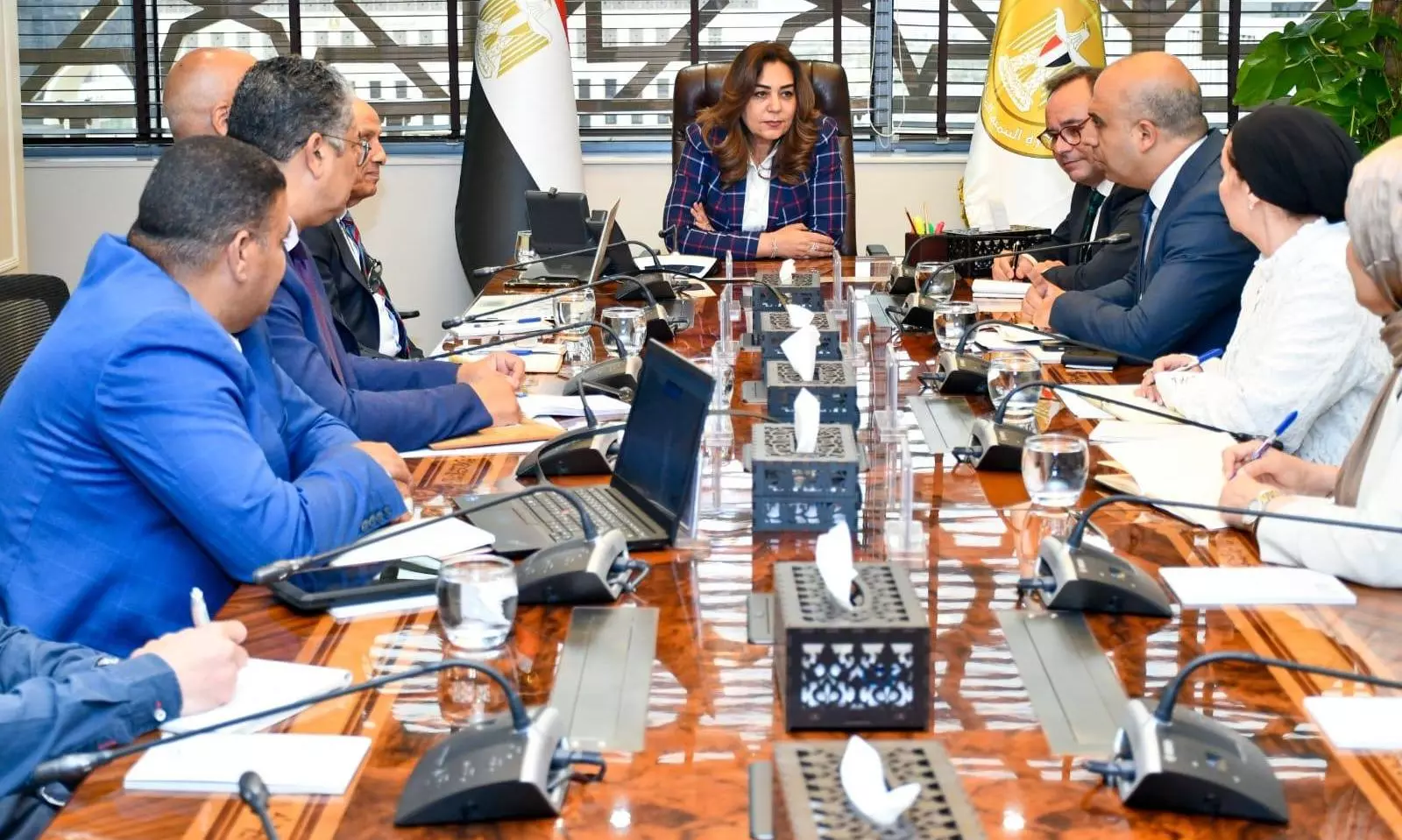
Egypt has reiterated its commitment to protecting the Red Sea's unique marine environment, recognising its ecological, tourism, and economic significance.
During a meeting with representatives of the Hurghada Environmental Protection and Conservation Association (HEPCA), Minister of Local Development and Environment Manal Awad highlighted the importance of preserving the Red Sea's rich biodiversity and coral reefs, describing them as a vital component of sustainable development and eco-tourism. She noted that safeguarding these natural resources has become increasingly important amid growing environmental challenges and the impacts of climate change.
The meeting brought together HEPCA Scientific Research Adviser Mahmoud Hanafy and the association's director, Nour Farid, to discuss ongoing efforts to protect the marine ecosystem and enhance cooperation between the government and civil society organisations involved in conservation and biodiversity initiatives.
Discussions focused on several projects and programs implemented by HEPCA, including coral reef preservation, marine wildlife protection, solid waste management, and initiatives aimed at supporting local communities.
Representatives outlined the various stages of waste collection, transport, and management, noting that approximately 400 tonnes of waste are generated each day. They also reviewed efforts to support environmental initiatives, including marine ecosystem research, biodiversity conservation programs, and the installation of marine mooring buoys aimed at reducing damage to coral reefs and enhancing their protection.
Awad instructed the Waste Management Regulatory Authority, the Red Sea Governorate, and HEPCA to strengthen coordination in evaluating the existing waste management system, identifying key challenges, and developing practical measures to enhance its efficiency and long-term sustainability. She also emphasised the need to complete the necessary infrastructure and expand recycling capabilities to increase both environmental gains and economic returns.
The meeting also reviewed HEPCA's marine mooring buoy initiative, which is designed to protect coral reefs by preventing tourist and diving boats from anchoring directly on sensitive reef areas.
Representatives noted that about 1,400 mooring buoys have been installed throughout the Red Sea, supported by ongoing maintenance efforts to keep the system functioning effectively. Discussions also covered plans to upgrade the network to accommodate larger tourism vessels.
Awad called for support to expand the mooring buoy system in South Sinai, stressing the importance of ensuring sustainable maintenance and adequate funding for its continued operation.
Participants also discussed a shark tracking project being carried out by Egypt's Nature Conservation Sector in partnership with HEPCA. Hanafy explained that tracking devices have been fitted to several sharks to collect scientific data on their movements, behavior, and distribution within the Red Sea, helping researchers better understand and protect marine ecosystems.