
Egypt’s strategic partnership with Europe strengthens trade and logistics
Egypt’s 2025 strategic partnership with Europe boosts trade, ports, and logistics, strengthening Mediterranean supply chains.
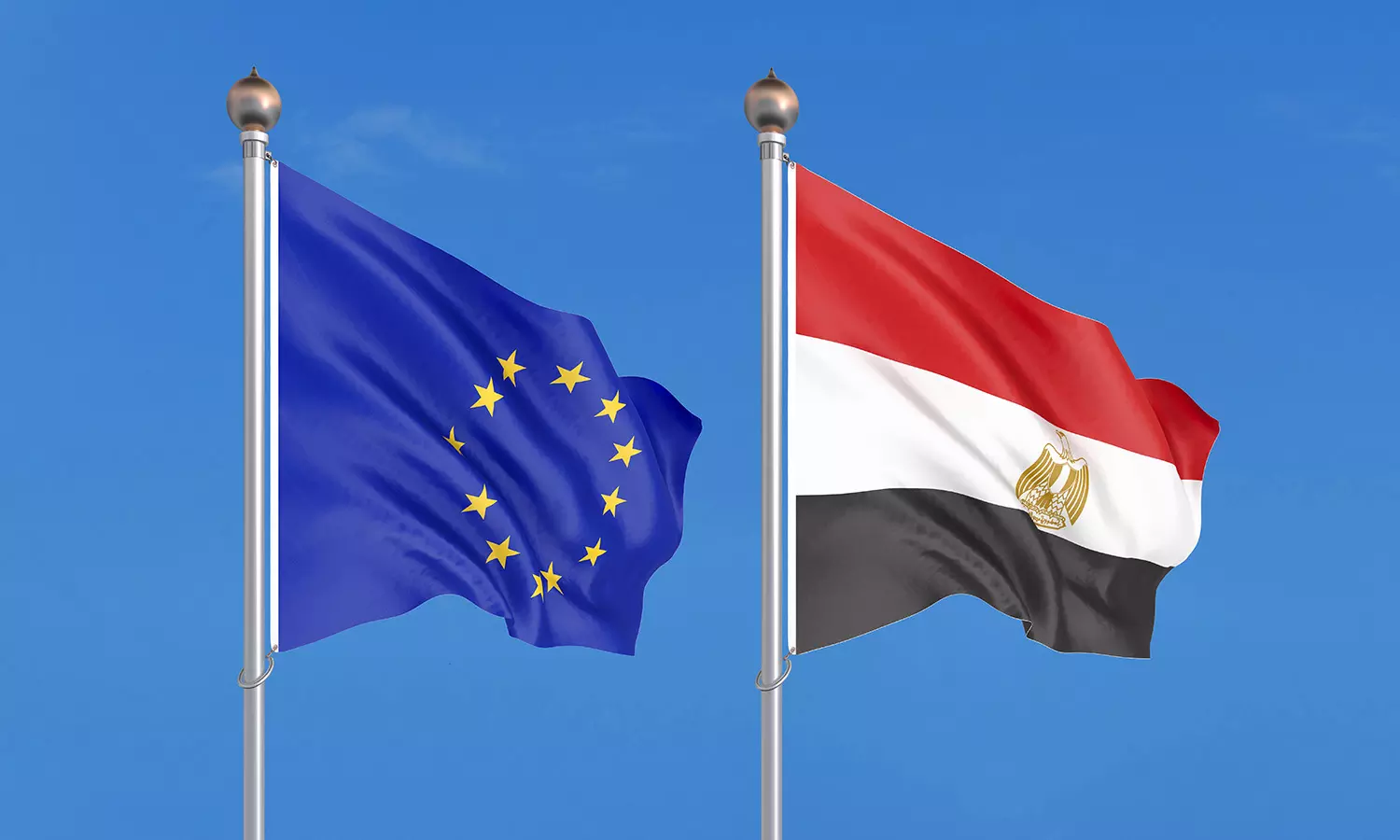
Egypt’s decade-long efforts to deepen ties with Europe have evolved into a comprehensive strategic partnership, boosting trade, supply chains, and logistics networks across the Mediterranean. The Ministry of Foreign Affairs’ recently published book “Strategic Balance: Features of Egyptian Foreign Policy over Ten Years” highlights how Egypt’s foreign policy, guided by President Abdel Fattah El Sisi’s principle of strategic balance, has helped position the country as a critical hub for regional commerce and logistics.
The book notes that despite political tensions and crises across the Mediterranean, Egypt has successfully established strategic partnerships with the European Union and individual European nations, including Italy, Germany, France, Greece, Cyprus, and Belgium. This approach has enabled Egypt to diversify its trade, strengthen its supply chains, and enhance logistics infrastructure, reinforcing its role as a gateway between Europe, Africa, and the Middle East.
A landmark milestone in this evolving partnership occurred in 2025 with the first-ever Egypt–EU Summit in Brussels in October, which expanded avenues for cooperation and reinforced high-level engagement between Cairo and European capitals.
The €7.4 billion financing package under the Comprehensive Strategic Partnership continued in 2025, supporting economic development, infrastructure, and trade facilitation projects that directly impact logistics and supply chains. In addition, the €1.8 billion EU-backed Investment Guarantees Mechanism, launched in 2025, aims to mobilise up to €5 billion in private sector investment by 2027, including in strategic areas such as transport, ports, and logistics.
High-level visits and agreements throughout 2025 further reinforced operational trade ties. Partnerships with Germany, Italy, and Switzerland included financing programs and debt-swap agreements, enhancing macroeconomic stability and creating a favourable investment environment for logistics and supply chain development.
The strategic partnership has translated into tangible improvements in trade and logistics efficiency. Egypt’s ports, transport corridors, and customs procedures have been modernised, reducing bottlenecks and ensuring faster cross-border movement. Trade volume between Egypt and the EU increased from €23 billion in 2014 to €32.5 billion in 2024, while EU investments reached €27.6 billion in 2022, supporting infrastructure and supply chain initiatives that continue to expand in 2025.
By combining strategic diplomacy with targeted economic and logistics measures, Egypt has strengthened its position as a vital regional transit hub, improving supply chain resilience and connecting European markets with Africa and the Middle East.