
How ITC and KOICA are unlocking Northern Uganda's export potential
Targeted supply chain interventions help Ugandan agribusinesses scale up cross-border trade, secure export deals, and establish inclusive credit frameworks.
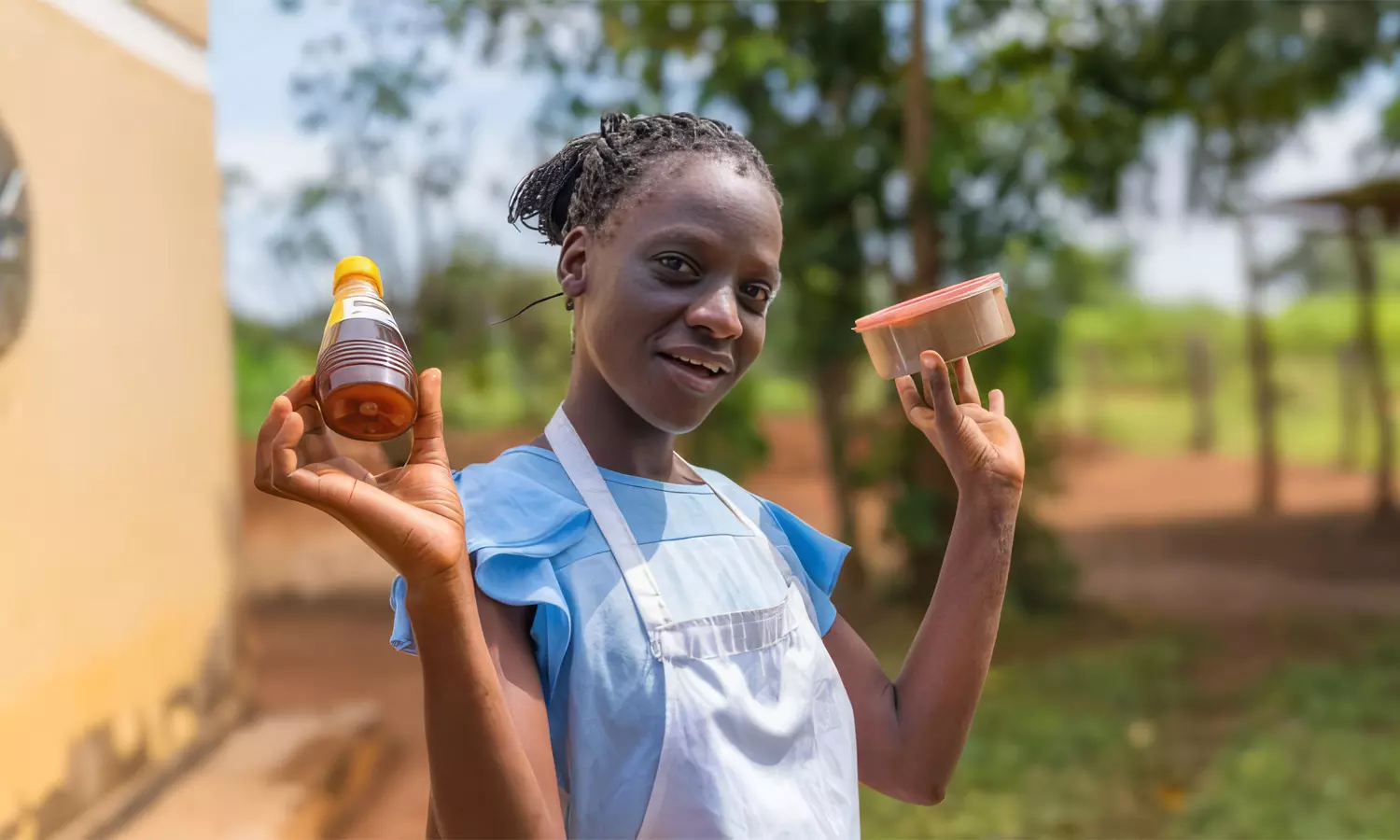
Northern Uganda’s grassroots economy is undergoing a significant logistical and structural transformation. Backed by funding from the Korea International Cooperation Agency (KOICA), the International Trade Centre (ITC) is driving a targeted initiative to equip regional agribusinesses with the operational tools, trade compliance capacities, and market intelligence required to scale up operations and break into competitive global export networks. By focusing heavily on value-addition and addressing systemic bottlenecks in logistics, financing, and production, the project is actively enabling women and youth to lead the region's cross-border commercial evolution.
A standout success story of this trade-facilitation framework is Blessed Organic Release, a woman-led enterprise specializing in the production of high-value cosmetic inputs. Historically, smallholder shea nut collection in the region suffered from fragmented supply chains, inconsistent quality control, and minimal access to premium international buyers. Through rigorous technical assistance provided by the ITC, the enterprise successfully aligned its manufacturing processes with international standards, ultimately securing its first landmark $80,000 certified organic export contract.
Today, Blessed Organic Release coordinates a complex supply network of over 6,000 local farmers. By optimizing its aggregate logistics and quality assurance protocols, the enterprise processes and moves 10 tonnes of certified organic shea butter annually to global cosmetics brands. This milestone highlights how micro-interventions in product certification and export readiness can integrate rural producers directly into lucrative global supply chains.
Beyond export-oriented logistics, the initiative recognizes that a sustainable trade pipeline requires robust upstream input networks. Agrimarks Farm Supplies, a local agricultural input provider, has fundamentally transformed regional supply chain financing. Traditionally, rural women farmers were locked out of high-yielding seed markets because traditional credit frameworks mandated land ownership or physical collateral. Following gender-inclusion training administered by the ITC, Agrimarks restructured its credit models. By removing rigid collateral barriers, the company has enabled vulnerable women to secure premium seeds on credit. This structural shift ensures a more reliable and high-volume harvest, stabilizing local supply volumes for downstream distributors.
Simultaneously, the Youth for Life Tree Planting cooperative showcases how building capacity among younger demographics can drive measurable economic growth. With the logistical and business management tools provided by the ITC, the cooperative expanded its market reach and realized an impressive 30% revenue growth within a single year. The resulting economic stability has allowed cooperative members to transition into permanent housing and sustainably fund education.
By linking local producers directly to trade infrastructure, optimizing internal value chains, and eliminating financing barriers, the KOICA-funded ITC initiative is proving that targeted business support is a powerful catalyst for sustainable, export-led economic development across Northern Uganda.