
Conflict-linked logistics crisis impacts Kenya’s flower trade
Kenya Flower Council has warned that escalating global conflict is disrupting air cargo routes, increasing freight costs, and causing delays for flower exporters.
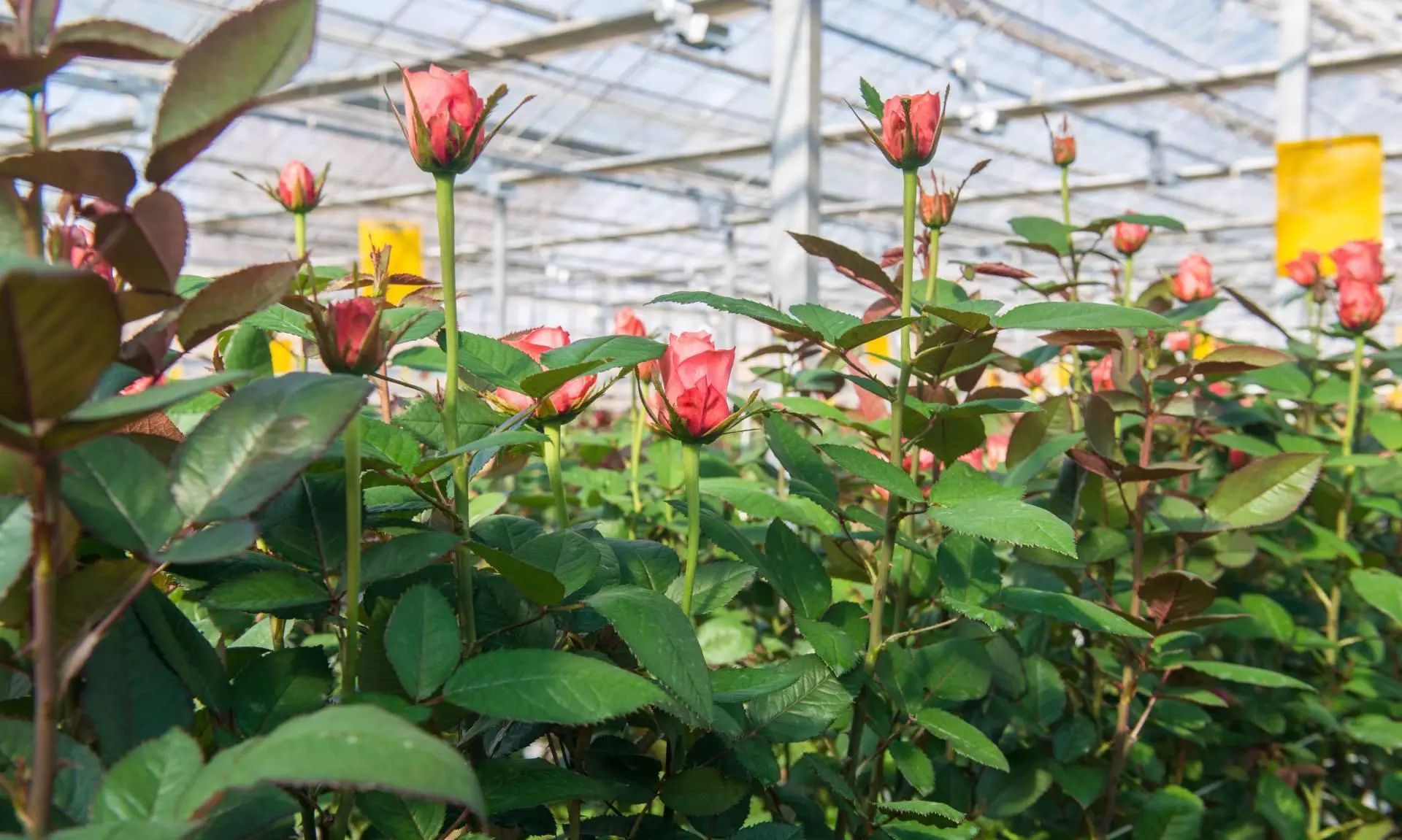
Kenya Flower Council is actively assessing the impact of the escalating conflict and its wider implications for global logistics and Kenya’s floriculture industry, which remains one of the country’s top sources of foreign exchange and employment. Despite the geographical distance, the crisis is already affecting aviation routes, cargo availability, and supply chains that are essential for Kenya’s flower exports.
The Middle East holds strategic importance for Kenya’s floriculture sector, functioning both as a major export destination and a crucial logistics hub. The region accounts for approximately 10–15% of Kenya’s flower exports, with key markets including the United Arab Emirates and Saudi Arabia. In addition to direct trade, Gulf nations serve as vital transit gateways connecting Kenya to Europe and other international markets.
Collectively, five Gulf countries contribute about 13.35% of Kenya’s flower export earnings, valued at nearly $722.9 million, while Gulf-based airlines remain critical to the transportation of perishable cargo such as flowers.
Since the conflict began, the aviation and logistics sector has faced significant disruption. Air cargo capacity on certain routes serving Kenya has dropped by as much as 30%, while globally, an estimated 18–20% of air freight capacity has been taken offline. As a result, exporters are experiencing shipment delays of up to 48 hours, along with widespread flight cancellations, rerouting, and schedule changes.
Freight costs have also risen sharply, with exporters now paying rates of up to $5.30 per kilogram. The increase is being driven by extended flight paths, higher fuel prices, and additional war-risk surcharges, with some major trade routes witnessing cost increases of more than 20%.
Over the past three weeks, Kenya’s flower exporters have incurred estimated losses of $4.8 million (KES 220 million) due to the ongoing disruptions. Around $2.1 million of these losses were linked to flowers that perished before reaching their markets, while a further $2.7 million resulted from lower prices caused by shipment delays and declining product quality.
Freight rates on routes to Europe have increased significantly, in some cases rising by more than 20%. At the same time, exporters in several regions around the world are reporting cargo volume declines of up to 37% due to ongoing disruptions in global logistics networks.
As highly perishable products, flowers are particularly vulnerable to disruptions in transit. Even brief delays can significantly shorten shelf life, reduce auction prices, and increase rejection rates in destination markets.
The current shipment delays of up to 48 hours are therefore having a direct and measurable impact on both product quality and the competitiveness of Kenya’s flower exports.
If the conflict persists, the outlook for exporters is expected to remain difficult. Air freight capacity is likely to stay constrained, with freight rates on affected routes potentially doubling or even tripling. Meanwhile, alternative transport options such as sea freight remain largely impractical for flowers because of extended transit times that can add an additional 10 to 15 days to deliveries.
In response to the ongoing disruptions, Kenya Flower Council is collaborating closely with exporters, airlines, freight operators, and government agencies to minimise the impact on the floriculture industry. Key efforts are focused on securing approvals for ad hoc air cargo capacity and direct flights, prioritising airfreight space for perishable goods, identifying alternative cargo routes, and improving real-time coordination across logistics networks.