
Uganda boosts regional Ebola logistics
Uganda has pledged warehouse space and faster customs clearance to strengthen the Continental IMST, boosting the regional Ebola response and health security.
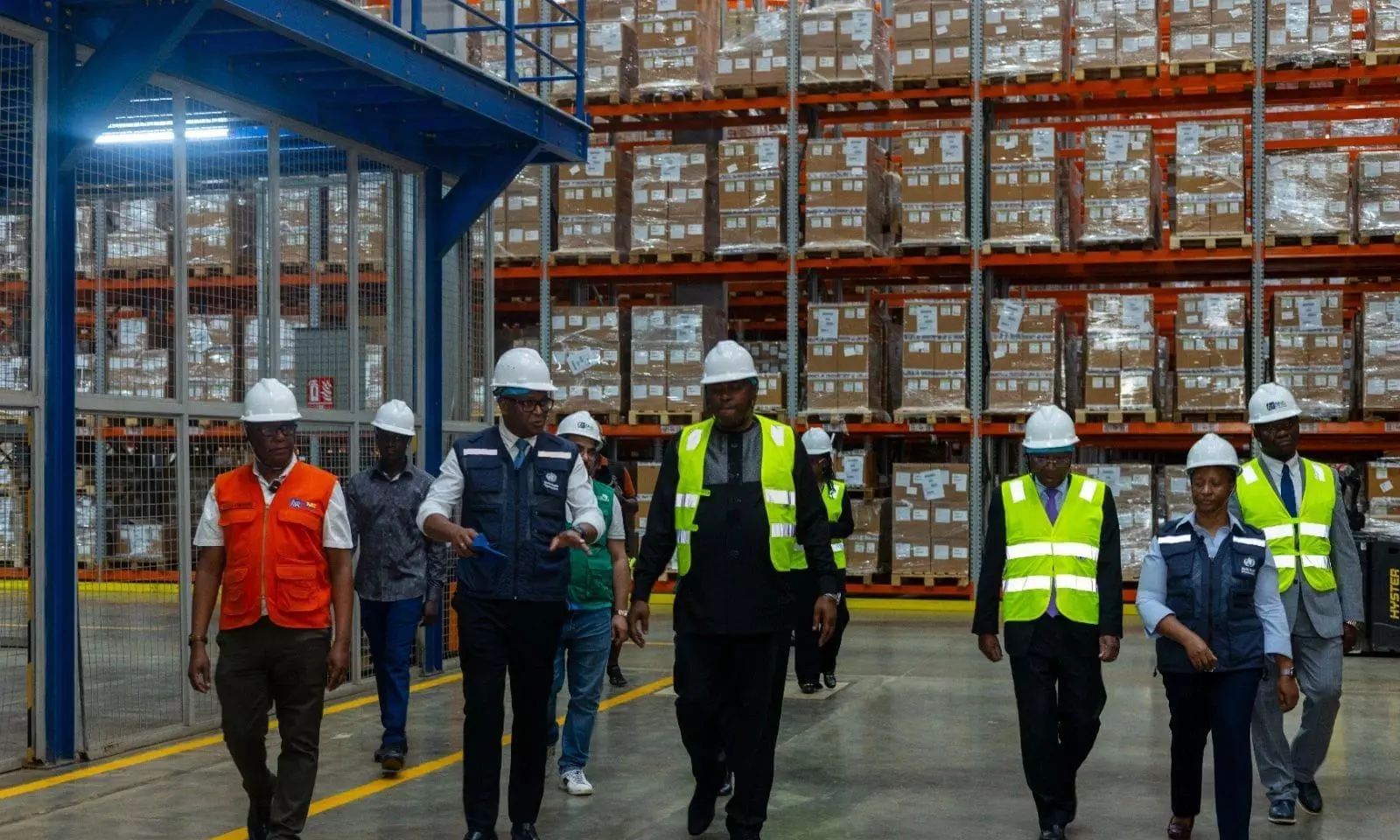
The operationalisation of the Continental Incident Management Support Team (IMST) for the Ebola (Bundibugyo) response marked another important milestone in strengthening regional preparedness and emergency response capabilities across East and Central Africa.
As part of the mission, senior response officials conducted a series of strategic visits to key logistics facilities, including the National Medical Stores (NMS), a state-of-the-art warehouse with a capacity of 3,000 pallet positions, the World Food Programme (WFP) logistics base, the United Nations logistics base, and the cargo terminal at Entebbe International Airport. The visits underscored the importance of robust logistics systems in ensuring the timely movement of medical supplies during public health emergencies.
A high-level meeting was also held with Uganda's Minister of Health, Chris Baryomunsi, alongside senior officials from the Ministry of Health and the National Medical Stores. During the discussions, the Minister reaffirmed the Government of Uganda's commitment to supporting the Operations Support and Logistics (OSL) Incident Management Support Team by providing dedicated warehouse space and facilitating expedited customs clearance procedures.
The proposed measures are expected to significantly enhance the rapid deployment of life-saving medical supplies across Uganda, the Democratic Republic of the Congo (DRC), South Sudan, and other countries in the region, strengthening the regional response to Ebola and other public health emergencies.
Officials emphasised that the Ebola response remains government-led by Uganda and the DRC, with regional and international partners providing coordinated technical, operational, and logistics support. Uganda's commitment to facilitating logistics operations is viewed as a critical step toward improving supply chain efficiency and emergency preparedness across the region.
The mission also acknowledged the contributions of key partners, including Africa CDC, the World Food Programme (WFP), UNICEF, the European Centre for Disease Prevention and Control (ECDC), the European Commission, the U.S. Embassy in Kampala, the International Federation of Red Cross and Red Crescent Societies (IFRC), Medecins Sans Frontieres (MSF), and other collaborating organizations. Their continued partnership is expected to strengthen logistics coordination, accelerate the delivery of essential supplies, and reinforce collective efforts to contain Ebola outbreaks and protect vulnerable populations.
As implementation of the Continental IMST progresses, stakeholders expressed confidence that sustained collaboration among governments, regional institutions, and international partners will further enhance emergency response capacity and improve health security across Africa.