
Fuel costs, congestion tighten global shipping markets: Dimerco
Frontloading, blank sailings and port delays are disrupting schedules, while air cargo faces jet fuel shortages and tight capacity.
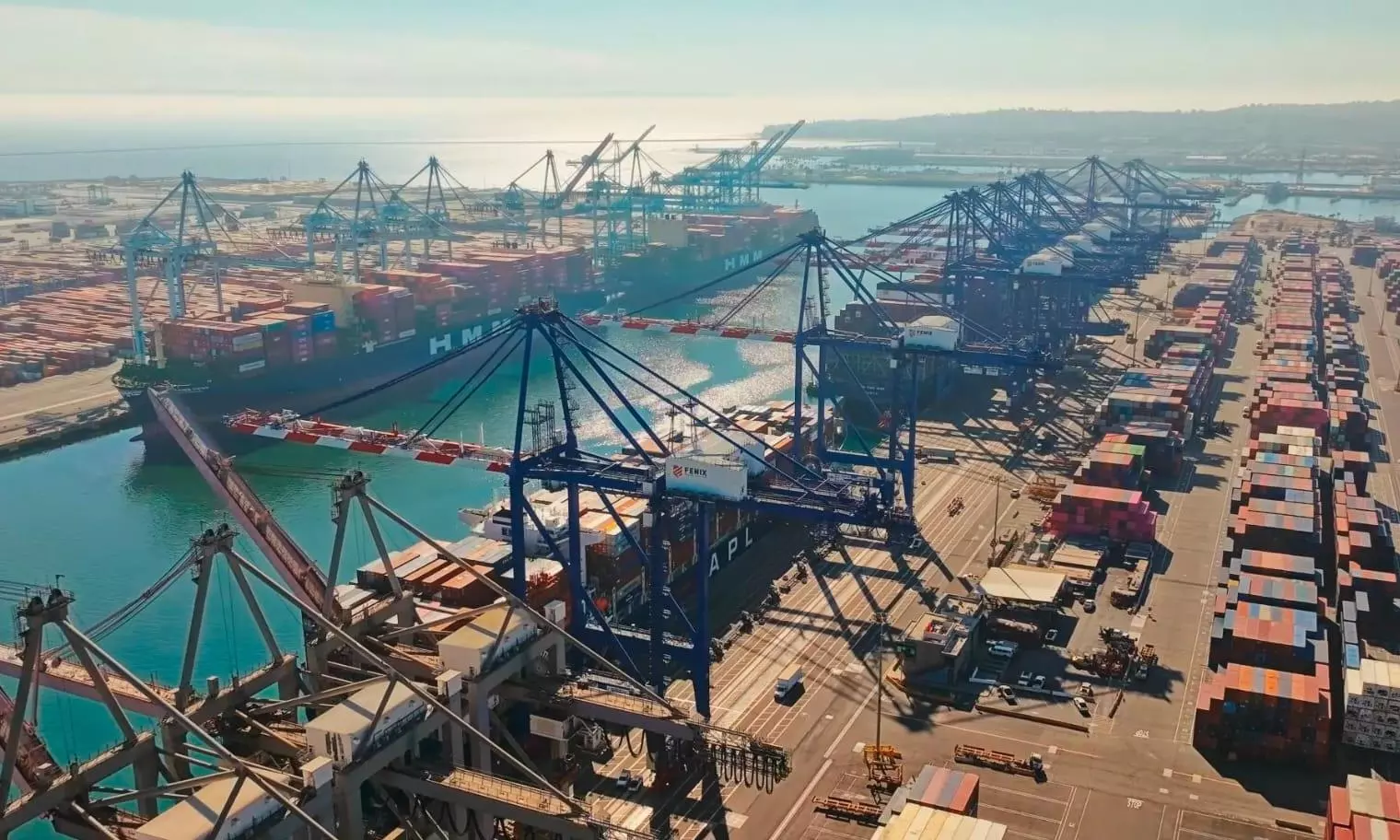
Fuel volatility, geopolitical uncertainty and frontloading activity are continuing to reshape global shipping markets, with tighter vessel utilisation, changing surcharge structures and congestion affecting cargo flows across major trade lanes, according to Dimerco’s June 2026 Asia Pacific Freight Report.
The report said ongoing tensions in the Gulf region and uncertainty around energy supplies are pushing shippers to move cargo earlier than planned to reduce the risk of higher transport costs and supply chain disruptions. This frontloading trend has tightened vessel capacity and pushed freight rates higher as cargo owners seek to secure space before conditions worsen.
According to Dimerco, rising bunker costs and fuel volatility are also forcing shipping lines to make more frequent adjustments to surcharges. Carriers that previously revised bunker-related charges quarterly are now moving to monthly revisions in response to changing fuel prices and geopolitical risks, adding more uncertainty to freight planning.
Across Asia Pacific, shipping markets remain manageable overall, but operational disruptions and congestion are affecting schedule reliability ahead of the traditional peak season. In India and Thailand, congestion is delaying cargo movement and affecting supply chain planning, while rerouting and changing cargo flows continue to influence operations across major transhipment hubs.
In China, shipping conditions remain tight on several key routes as carriers continue to manage capacity carefully through blank sailings and reduced vessel deployment. In North China, cargo space to Thailand and Indonesia remains under pressure, while transpacific capacity has tightened because of reduced vessel availability. Carriers are prioritising lighter cargo in some cases, meaning large project shipments require longer lead times.
East China is also seeing tighter market conditions as disruptions and congestion continue to affect cargo flows. Southeast Asian routes are facing delays because of congestion and late vessel departures, while routes to the US, Europe and South America remain tight due to heavy blank sailings, especially during peak shipping periods within the month.
In South China and Hong Kong, shipping markets are facing continued pressure on US and Europe lanes due to blank sailings and congestion at destination ports. Europe-bound cargo is experiencing delays of several days because of congestion at base ports, while tighter vessel space continues to influence freight conditions on several trade routes.
Southeast Asia is also seeing uneven shipping conditions. Malaysia and Singapore continue to experience relatively stable market conditions, while Vietnam is expected to face higher shipping rates to the US because of early peak season demand and blank sailings. Container shortages and a higher risk of cargo rollovers may emerge for late bookings. Thailand is facing additional logistics pressure as port congestion continues to slow cargo movement and reduce turnaround efficiency.
In Northeast Asia, Taiwan’s shipping market is showing gradual improvement as summer restocking activity supports cargo volumes, although market sentiment remains cautious. Freight rates are expected to stay stable to slightly firmer as space tightens and carriers attempt selective increases. South Korea is seeing rising pressure on shipping capacity as carriers prioritise China cargo, while longer transit times continue to reduce effective available capacity on Europe routes.
North America’s shipping market remains relatively stable, with balanced capacity and lower congestion risks compared with Asia. However, Europe-bound lanes are seeing slightly firmer conditions due to stronger utilisation, and rail congestion in Chicago is extending import dwell times.
In Europe, softer demand is limiting stronger freight rate recovery, although shipping markets continue to face pressure from rerouting, capacity changes and geopolitical-related surcharges. Dimerco said these factors are keeping market uncertainty high despite relatively stable overall conditions.
The report also warned that ongoing Middle East tensions and disruptions to energy cargo flows could continue affecting global logistics markets. Manufacturers across Asia are beginning to face supply disruptions linked to petrochemical feedstocks used in plastics, electronics and industrial production. If disruptions continue, shippers may face rising production costs, tighter shipping capacity and growing pressure on supply chains.
While ocean shipping remains the main area of pressure, air freight markets are also facing operational strain. Jet fuel shortages are forcing some airlines to reduce cargo payloads or replace larger freighters with smaller aircraft, reducing effective cargo capacity. At the same time, demand for semiconductor, AI, e-commerce and high-tech shipments continues to keep air freight space tight across several Asia Pacific markets, particularly on US and Europe routes.