
South Africa secures 200,000-tonne soybean export deal with China
Deal provides a new export outlet for South Africa’s record soybean crop as zero-tariff access improves the competitiveness of shipments to China, as stated in a SACOTA report.
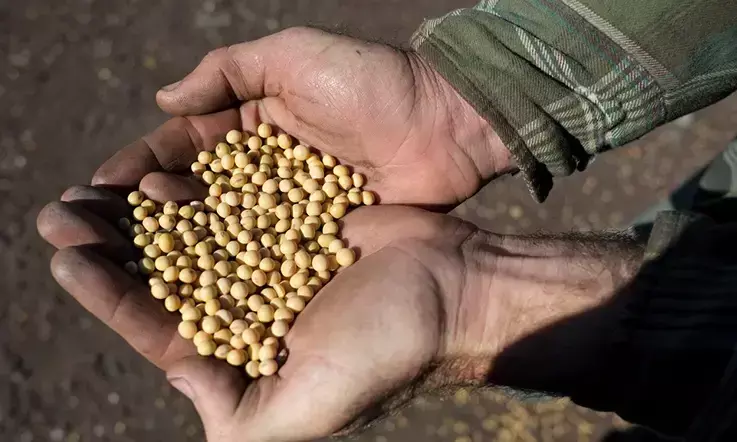
Picture: ADAMA
South Africa is set to export approximately 200,000 tonnes of soybeans to China in November 2026, in what will be only the country’s second major soybean export transaction with the Chinese market.
The deal, secured by a multinational trading member of the South African Cereals and Oilseeds Trade Association (SACOTA), comes as South Africa’s soybean industry looks to expand its export markets following a record production season. SACOTA described the transaction as a significant boost for the domestic industry and its efforts to establish longer-term international markets.
The shipment also comes after China introduced zero-tariff treatment for qualifying imports from African countries, creating more favourable market access for South African agricultural products.
Record production meets export constraints
South Africa entered the 2025/26 summer grain season with expectations of record soybean and maize production. The Crop Estimates Committee's April 23 forecast put the soybean crop at 2.8 million tonnes, alongside a projected maize crop of 16.8 million tonnes.
The large soybean harvest initially raised expectations of increased exports, with early industry estimates suggesting that soybean exports could reach around 600,000 tonnes.
However, the export programme faced several constraints. Late-season rainfall delayed harvesting in parts of the country, while domestic soybean crushing industries continued to require supplies. This limited the volume immediately available for export.
Export infrastructure also presented a challenge. Soybean shipments through the Port of Durban compete for terminal capacity with the country's established yellow maize export programme, which has historically received preference at the port's export terminals.
Consequently, much of the initial soybean export activity was conducted through containers, while the prospects for significant deep-sea bulk shipments remained uncertain.
China opens a more competitive market
A key development for South African exporters was China's introduction of its Zero-Tariff Preference Scheme.
From May 1, 2026, to April 30, 2028, qualifying South African goods exported to China can receive zero customs duties, subject to the applicable tariff schedule, rules of origin and documentary requirements. South Africa's Department of Trade, Industry and Competition has confirmed that exporters must meet the relevant rules of origin and provide a valid Certificate of Origin to access the preference.
China's wider policy extends zero-tariff treatment to African countries with which it maintains diplomatic relations. The policy covers 53 African countries and is intended to expand market access for African exports.
For South African soybeans, the policy removes the previous 3% import duty cited by SACOTA. The association estimates that the tariff removal provides an advantage of approximately $15 per tonne compared with competing South American exporters.
South Africa also has a freight-distance advantage over major soybean suppliers in South America. SACOTA estimates this at approximately $12-$15 per tonne, although the actual advantage will vary according to freight rates, routing and market conditions.
Together, these factors improve the potential competitiveness of South African soybeans in China, although price, freight, availability and other commercial considerations will continue to determine the viability of individual transactions.
Second major soybean shipment to China
South Africa first exported soybeans to China in 2023, when three vessels carried a combined 147,000 tonnes.
The planned 200,000-tonne shipment will therefore represent a larger single export programme than the combined volume shipped during the 2023 transactions. The deal is also significant because South Africa's soybean export industry has only relatively recently begun developing a presence in overseas markets.
China is the world's largest soybean importer, purchasing approximately 100-110 million tonnes annually, making access to the Chinese market potentially important for countries seeking to diversify their export destinations.
Export registration and market access
SACOTA had continued preparations for the export programme even while uncertainty remained around the availability of exportable supplies.
For China, this included an annual export registration process involving SACOTA, the Directorate Inspection Services of South Africa's Department of Agriculture and eCert, an online platform supporting processes including electronic phytosanitary certification.
Exporters, terminals and silos interested in supplying China were required to complete the relevant registration procedures. SACOTA also undertook work to verify newly approved genetically modified soybean and maize events against the requirements of importing countries.
Similar registration requirements apply to Indonesia, another market that South Africa has been developing since it opened to South African soybean exports two years ago.
Impact on South African soybean stocks
The Chinese transaction is expected to affect South Africa's closing soybean inventory for the 2026/27 season.
The National Agricultural Marketing Council (NAMC), in its July 31 supply-and-demand estimates, projected closing soybean stocks of approximately 550,000 tonnes at the end of February 2027.
SACOTA estimates that, if the Chinese shipment and other smaller export transactions proceed, closing stocks could fall below 350,000 tonnes.
Total soybean exports for the season could reach approximately 510,000 tonnes, according to SACOTA's scenario. This would include the China shipment as well as exports to Indonesia and Malaysia by sea and cross-border shipments to neighbouring markets including Zimbabwe and Eswatini.
The final export volume will depend on production, domestic crushing demand, market prices, available logistics capacity and the pace of international shipments during the remainder of the marketing season.
Opportunity, but not without market risks
The China deal provides South Africa with an additional outlet at a time when the domestic soybean sector is producing at record levels. It also gives exporters an opportunity to test the competitiveness and reliability of South African soybean supply in one of the world's largest import markets.
However, the longer-term impact will depend on whether South African exporters can consistently supply the required volumes at competitive prices while managing domestic demand and logistics constraints.
SACOTA also pointed to volatility in international commodity markets as a factor affecting export decisions. Differences between global futures prices and physical cash markets can create temporary pricing opportunities for exporters.
South African traders can use JSE commodity futures contracts, including soybean contracts, to hedge local and export transactions, allowing them to manage price exposure ahead of physical shipments.
For an industry that has historically focused heavily on the domestic crushing market, the 200,000-tonne China transaction therefore represents both an immediate export opportunity and a test of South Africa's ability to establish a more diversified soybean trade. If followed by additional shipments to China and other overseas markets, it could contribute to the development of a more established export programme for South African soybeans.